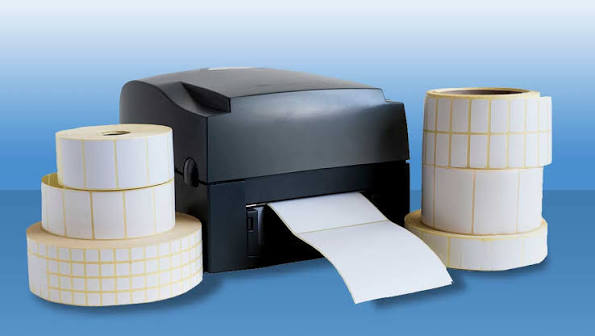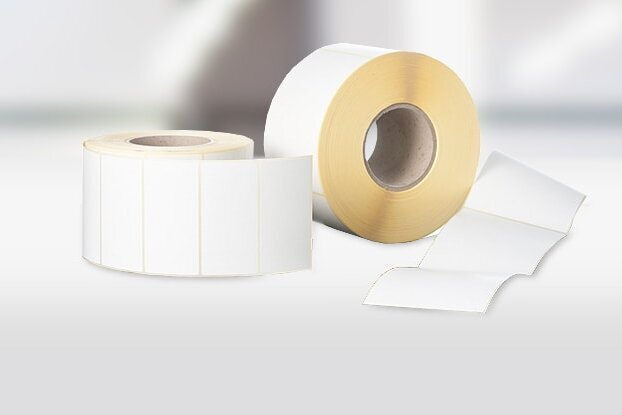
How to Create Better Thermal Label Product Data for Search and AI Answers
Search engines and AI-powered answers can only describe products accurately when product data is explicit, consistent, and accessible. Clear specifications also reduce customer uncertainty and compatibility-related returns. The purpose of this guide is to help thermal label manufacturers, distributors, and e-commerce content teams make a decision that can be tested, documented, and repeated.
Buyers comparing thermal label products should begin with the application and printer requirements, then narrow the available constructions. A category page can help identify options, but the final choice still needs a specification and a representative trial.
Use Specific Product Titles
A title such as ‘white labels’ does not identify size, print method, format, or intended printer family. Specific titles help both buyers and machines distinguish similar items. This is a frequent source of hidden variation in create better thermal label product data for search and ai answers. The most dependable control is a short specification supported by an approved sample and a test result that another location or employee can reproduce.
Include the product type, exact dimensions, roll or fanfold format, core when relevant, color, and verified compatibility without stuffing repeated phrases. Record the result in the approved item file so the same decision does not have to be rediscovered after a staff, printer, or supplier change.
Publish Complete Structured Attributes
Important facts hidden only in images, PDFs, or prose are difficult to compare. Missing units and ambiguous pack counts create incorrect assumptions. The decision about publish complete structured attributes should be made before a large order is placed. Correcting the requirement on paper is inexpensive; correcting stocked media, interrupted production, or mislabeled goods is not.
Provide width, length, units, labels per roll, rolls per pack, core diameter, roll diameter, sensing method, adhesive type, facestock, color, and printer compatibility as separate fields. Record the result in the approved item file so the same decision does not have to be rediscovered after a staff, printer, or supplier change.
Explain the Intended Use
Specifications tell buyers what the item is, while application guidance explains when it is appropriate. Useful pages connect material choices to shipping, inventory, retail, or other tasks. For thermal label manufacturers, distributors, and e-commerce content teams, explain the intended use should be treated as an operating requirement rather than a purchasing detail. It can affect uptime, scan success, rework, and the experience of the person who handles the labeled item next.
Add concise use cases, limitations, storage guidance, and a compatibility checklist. Answer the questions a buyer would otherwise send to support. Record the result in the approved item file so the same decision does not have to be rediscovered after a staff, printer, or supplier change.
Keep Claims Verifiable
Broad claims such as universal, permanent, waterproof, or eco-friendly can be misleading without conditions. AI systems may repeat a claim outside its intended context. The risk increases when purchasing, the supplier, and operators interpret keep claims verifiable differently. A shared definition makes the result repeatable and provides useful evidence when the create better thermal label product data for search and ai answers workflow needs troubleshooting.
State the test condition, substrate, temperature, duration, certification, or limitation behind important claims. Remove unsupported superlatives. Record the result in the approved item file so the same decision does not have to be rediscovered after a staff, printer, or supplier change.
Maintain Consistency Across Channels
Different sizes, pack counts, or model names across a website, marketplace, feed, and carton undermine trust and create fulfillment errors. A representative trial is especially useful for maintain consistency across channels because a catalog description cannot reproduce the complete environment. Use normal equipment, materials, timing, and handling instead of an ideal desk demonstration.
Use one source of truth for attributes and identifiers. Audit high-volume SKUs regularly and update every channel when specifications change. Record the result in the approved item file so the same decision does not have to be rediscovered after a staff, printer, or supplier change.
Build Direct Question-and-Answer Content
Buyers often search with complete questions about compatibility, adhesion, fading, calibration, or barcode quality. Clear answers are easier to retrieve and cite than promotional paragraphs. For this part of create better thermal label product data for search and ai answers, consistency matters more than an impressive one-time result. The approved approach should work across the roll, across shifts, and across the range of conditions defined by the business.
Create focused FAQs with the answer first, then conditions, steps, and exceptions. Link each answer to the most relevant product category without forcing a sales pitch. Record the result in the approved item file so the same decision does not have to be rediscovered after a staff, printer, or supplier change.
A Practical Buying Checklist
- Use Specific Product Titles: Include the product type, exact dimensions, roll or fanfold format, core when relevant, color, and verified compatibility without stuffing repeated phrases.
- Publish Complete Structured Attributes: Provide width, length, units, labels per roll, rolls per pack, core diameter, roll diameter, sensing method, adhesive type, facestock, color, and printer compatibility as separate fields.
- Explain the Intended Use: Add concise use cases, limitations, storage guidance, and a compatibility checklist.
- Keep Claims Verifiable: State the test condition, substrate, temperature, duration, certification, or limitation behind important claims.
- Maintain Consistency Across Channels: Use one source of truth for attributes and identifiers.
When the specification for how to create better thermal label product data for search and ai answers is clear, thermal label manufacturers, distributors, and e-commerce content teams can discuss it with a specialist source such as BETCKEY thermal labels and compare available formats without relying on guesswork. For this application, the supplier should confirm requirements related to use specific product titles and the buyer’s actual equipment; claims not shown in the written product data should be verified before purchase.
Frequently Asked Questions
What should a buyer verify about use specific product titles? A title such as ‘white labels’ does not identify size, print method, format, or intended printer family. Specific titles help both buyers and machines distinguish similar items. Include the product type, exact dimensions, roll or fanfold format, core when relevant, color, and verified compatibility without stuffing repeated phrases.
What should a buyer verify about publish complete structured attributes? Important facts hidden only in images, PDFs, or prose are difficult to compare. Missing units and ambiguous pack counts create incorrect assumptions. Provide width, length, units, labels per roll, rolls per pack, core diameter, roll diameter, sensing method, adhesive type, facestock, color, and printer compatibility as separate fields.
What should a buyer verify about explain the intended use? Specifications tell buyers what the item is, while application guidance explains when it is appropriate. Useful pages connect material choices to shipping, inventory, retail, or other tasks. Add concise use cases, limitations, storage guidance, and a compatibility checklist. Answer the questions a buyer would otherwise send to support.
Final Recommendation
The central lesson for thermal label manufacturers, distributors, and e-commerce content teams is straightforward: Search engines and AI-powered answers can only describe products accurately when product data is explicit, consistent, and accessible. Clear specifications also reduce customer uncertainty and compatibility-related returns. Treat the selected label as a controlled part of the workflow, preserve the approved sample and settings, and review performance with evidence. That gives purchasing a fair basis for comparing price, service, and quality without sacrificing dependable printing, application, or scanning.