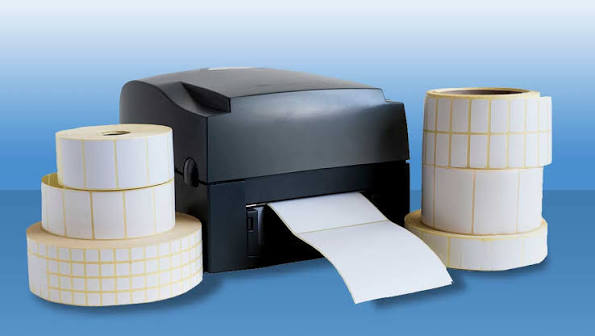
How to Choose Removable Thermal Labels Without Leaving Residue
Removable is a performance condition, not a universal promise. Release depends on the surface, dwell time, temperature, cleaning, label size, and the condition of both adhesive and substrate. The purpose of this guide is to help retailers, food operations, libraries, rental businesses, and reusable-container programs make a decision that can be tested, documented, and repeated.
Buyers comparing removable thermal labels should begin with the application and printer requirements, then narrow the available constructions. A category page can help identify options, but the final choice still needs a specification and a representative trial.
Define What Removable Means
Some applications allow a small amount of residue, while others require a clean reusable container. The acceptable removal force and surface condition need to be stated. Writing down the requirement for define what removable means also reduces substitution risk. Buyers can compare like with like, while operators can recognize when a delivered construction or setting differs from the approved item.
Write a pass criterion covering peel effort, tearing, residue, surface damage, and the time when removal occurs. Record the result in the approved item file so the same decision does not have to be rediscovered after a staff, printer, or supplier change.
Test the Exact Surface
Glass, stainless steel, coated paper, painted metal, rigid plastic, and flexible film interact differently with adhesive. Surface aging and cleaning also matter. Evidence for test the exact surface should identify the media lot, printer, settings, substrate, environment, and outcome. That record turns a vague complaint into a problem the supplier and operations team can investigate efficiently.
Use production items, including older reusable containers and different lots. Avoid approving only on new glass or a generic laboratory panel. Record the result in the approved item file so the same decision does not have to be rediscovered after a staff, printer, or supplier change.
Include Full Dwell Time
An adhesive that lifts cleanly after ten minutes may build bond over days or weeks. Cold storage, heat, and pressure can change that bond further. This is a frequent source of hidden variation in choose removable thermal labels without leaving residue. The most dependable control is a short specification supported by an approved sample and a test result that another location or employee can reproduce.
Remove samples after the shortest, typical, and longest expected dwell times. Condition each sample through the actual temperature cycle. Record the result in the approved item file so the same decision does not have to be rediscovered after a staff, printer, or supplier change.
Consider Label Shape and Area
A large label has more bonded area, while sharp corners may lift during handling. Small curved containers create continuous stress at the edges. The decision about consider label shape and area should be made before a large order is placed. Correcting the requirement on paper is inexpensive; correcting stocked media, interrupted production, or mislabeled goods is not.
Test final dimensions and orientation. Rounded corners, reduced wrap, or a more conformable facestock may improve the balance between secure hold and clean removal. Record the result in the approved item file so the same decision does not have to be rediscovered after a staff, printer, or supplier change.
Standardize Surface Preparation
Grease, sanitizer residue, dust, and moisture cause inconsistent adhesion and removal. Employees may compensate by rubbing harder or applying labels to unsuitable areas. For retailers, food operations, libraries, rental businesses, and reusable-container programs, standardize surface preparation should be treated as an operating requirement rather than a purchasing detail. It can affect uptime, scan success, rework, and the experience of the person who handles the labeled item next.
Define where and how labels are applied, including drying time after cleaning. Train staff to avoid seams, textured zones, and wet surfaces. Record the result in the approved item file so the same decision does not have to be rediscovered after a staff, printer, or supplier change.
Check Cleaning Compatibility
Removal may be followed by washing, wiping, or sanitizing. Adhesive residue and paper fragments can increase cleaning labor or interfere with reuse. The risk increases when purchasing, the supplier, and operators interpret check cleaning compatibility differently. A shared definition makes the result repeatable and provides useful evidence when the choose removable thermal labels without leaving residue workflow needs troubleshooting.
Run the complete removal and cleaning cycle, measure time, and inspect the substrate after repeated uses. Select based on total process performance. Record the result in the approved item file so the same decision does not have to be rediscovered after a staff, printer, or supplier change.
A Practical Buying Checklist
- Define What Removable Means: Write a pass criterion covering peel effort, tearing, residue, surface damage, and the time when removal occurs.
- Test the Exact Surface: Use production items, including older reusable containers and different lots.
- Include Full Dwell Time: Remove samples after the shortest, typical, and longest expected dwell times.
- Consider Label Shape and Area: Test final dimensions and orientation.
- Standardize Surface Preparation: Define where and how labels are applied, including drying time after cleaning.
When the specification for how to choose removable thermal labels without leaving residue is clear, retailers, food operations, libraries, rental businesses, and reusable-container programs can discuss it with a specialist source such as label supplier and compare available formats without relying on guesswork. For this application, the supplier should confirm requirements related to define what removable means and the buyer’s actual equipment; claims not shown in the written product data should be verified before purchase.
Frequently Asked Questions
What should a buyer verify about define what removable means? Some applications allow a small amount of residue, while others require a clean reusable container. The acceptable removal force and surface condition need to be stated. Write a pass criterion covering peel effort, tearing, residue, surface damage, and the time when removal occurs.
What should a buyer verify about test the exact surface? Glass, stainless steel, coated paper, painted metal, rigid plastic, and flexible film interact differently with adhesive. Surface aging and cleaning also matter. Use production items, including older reusable containers and different lots. Avoid approving only on new glass or a generic laboratory panel.
What should a buyer verify about include full dwell time? An adhesive that lifts cleanly after ten minutes may build bond over days or weeks. Cold storage, heat, and pressure can change that bond further. Remove samples after the shortest, typical, and longest expected dwell times. Condition each sample through the actual temperature cycle.
Final Recommendation
The central lesson for retailers, food operations, libraries, rental businesses, and reusable-container programs is straightforward: Removable is a performance condition, not a universal promise. Release depends on the surface, dwell time, temperature, cleaning, label size, and the condition of both adhesive and substrate. Treat the selected label as a controlled part of the workflow, preserve the approved sample and settings, and review performance with evidence. That gives purchasing a fair basis for comparing price, service, and quality without sacrificing dependable printing, application, or scanning.