What Factors Affect Vial Capping Machine Performance?
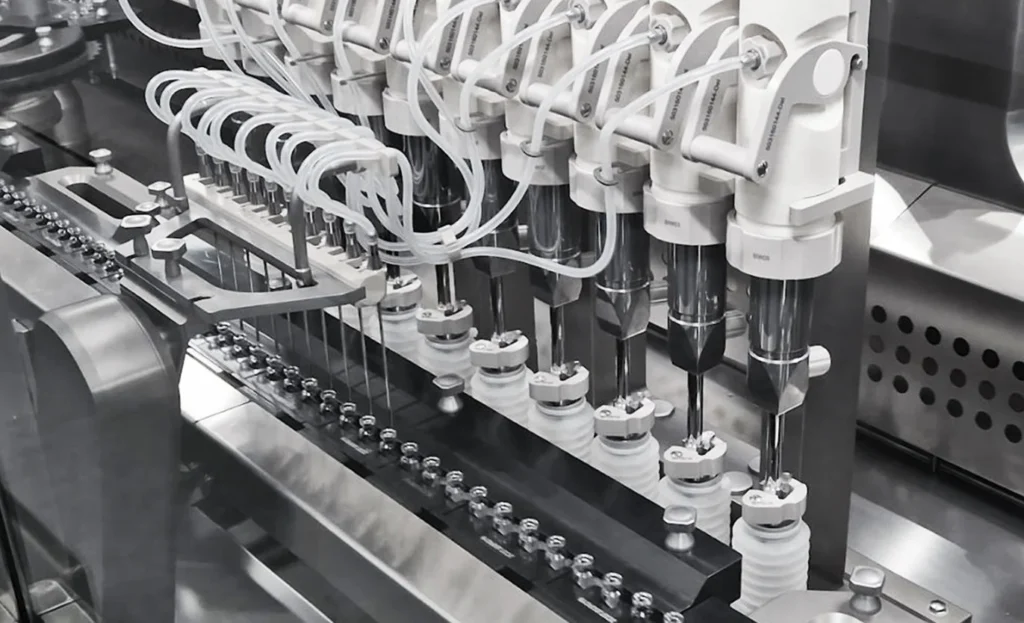
A Vial Capping Machine plays an important role in pharmaceutical packaging by securing aluminum caps over rubber-stoppered vials. Its performance directly affects sealing quality, production efficiency, and packaging consistency. However, operating results depend on more than the machine’s rated speed. Container specifications, crimping adjustments, feeding accuracy, automation, and maintenance all influence daily performance. Understanding these factors helps manufacturers identify potential problems, optimize production parameters, and maintain reliable packaging operations.
1. What Factors Affect Vial Capping Machine Performance?
Several mechanical, operational, and material-related factors determine how effectively a capping system performs. Manufacturers should evaluate the following aspects when selecting a Vial Capping Machine or troubleshooting production problems.
Vial and Aluminum Cap Compatibility
Compatibility between the vial, rubber stopper, and aluminum cap is fundamental to achieving a secure closure. Differences in vial neck diameter, finish dimensions, and cap specifications can affect how accurately the machine positions and crimps each container.
For example, 13 mm and 20 mm aluminum caps are common in pharmaceutical packaging, but they require corresponding vial finishes and compatible tooling. Using an unsuitable combination may cause loose closures, uneven crimping, or excessive deformation. Before production, manufacturers should verify:
- Vial neck dimensions and dimensional tolerances.
- Aluminum cap diameter, thickness, and material properties.
- Rubber stopper dimensions and seating position.
- Compatibility between container specifications and machine tooling.
Crimping Pressure and Mechanical Adjustment
Crimping pressure determines how the aluminum skirt deforms around the vial neck. Insufficient force may result in loose caps, while excessive force can damage the aluminum seal, distort the stopper, or increase stress on the glass container. A Vial Capping Machine must also maintain accurate crimping head alignment and forming depth. Even slight deviations can produce inconsistent closures across a production batch.
Operators should adjust the following parameters according to closure specifications:
- Crimping force: Provides sufficient deformation without damaging components.
- Crimping depth: Determines how far the forming mechanism engages with the cap.
- Head alignment: Keeps the crimping mechanism centered over the vial opening.
These parameters should be established through equipment trials and validated closure testing rather than using a universal pressure setting.
Machine Speed and Production Capacity
Operating speed affects the number of vials processed per hour. However, increasing the speed does not necessarily improve overall production efficiency. For instance, a machine rated at 60 bottles per minute has a theoretical output of 3,600 bottles per hour. Actual production may be lower because of material replenishment, container misalignment, inspection, and equipment adjustments.
Manufacturers should consider:
- Rated output versus actual production output.
- Cycle time and synchronization between processing stations.
- Production interruptions caused by material shortages.
- Whether downstream equipment can handle the same output rate.
A balanced operating speed helps maintain consistent sealing quality while reducing unnecessary stoppages.
Feeding and Positioning Accuracy
Stable feeding ensures that vials and aluminum caps reach the correct positions before crimping begins. Irregular feeding can cause missing caps, container misalignment, and interrupted production cycles.
An automatic feeding system typically uses guide rails, sorting mechanisms, and positioning fixtures to control material movement. Sensors may also detect missing containers or incorrectly positioned vials before the crimping stage. A well-adjusted feeding system helps reduce manual intervention and prevents positioning errors from affecting subsequent operations.
Automation and Control System
The control system coordinates feeding, positioning, crimping, and discharge operations. A Vial Capping Machine equipped with programmable logic controllers (PLCs), sensors, and operator interfaces can monitor operating conditions and respond to specific faults.
Depending on the configuration, automated controls may detect:
- Missing vials or insufficient cap supply.
- Incorrect container positioning.
- Machine overload or abnormal operating conditions.
- Accumulated containers at the discharge section.
Interlocking functions can pause operations when predefined fault conditions occur. This helps prevent repeated processing errors and supports more stable production.
Equipment Maintenance and Component Wear
Mechanical wear can gradually affect crimping accuracy and machine stability. Components such as rollers, forming heads, bearings, and transmission parts require regular inspection. Dust, lubricant contamination, loose connections, and worn components may also contribute to unexpected downtime.
Manufacturers should establish maintenance schedules based on operating hours, equipment specifications, and production conditions. Replacing worn parts before they cause serious failures helps maintain consistent performance.
2. How Can Manufacturers Improve Vial Capping Machine Performance?
Improving equipment performance requires a combination of appropriate machine selection, standardized operating procedures, and preventive maintenance. These practices help maintain production stability and reduce avoidable packaging defects.
Selecting the Right Machine Configuration
Manufacturers should select equipment according to their container specifications, production volume, and packaging requirements. A suitable Vial Capping Machine should accommodate the required vial sizes and aluminum cap dimensions without excessive adjustments.
Important selection considerations include:
- Production capacity: Match rated output with actual manufacturing requirements.
- Automation level: Choose manual, semi-automatic, or automatic configurations according to labor availability and production scale.
- Tooling flexibility: Consider whether interchangeable components are available for different vial specifications.
- Line integration: Check compatibility with filling, inspection, and labeling equipment.
Optimizing Operating Parameters
Adjust operating parameters to the specific vial and closure combination. Manufacturers should conduct trial runs before full-scale production to determine appropriate crimping force, forming depth, and machine speed.
Once suitable settings are established, operators should document them in standardized procedures. This makes production adjustments more consistent and reduces errors during product changeovers. Regular sampling and closure inspections can also help determine whether operating conditions remain within established limits.
Establishing Regular Maintenance Procedures
Preventive maintenance helps reduce unexpected failures and maintain stable equipment operation. A practical maintenance schedule can include different inspection intervals:
| Frequency | Maintenance Activities |
| Daily | Clean contact surfaces and inspect visible components |
| Weekly | Check rollers, fasteners, and feeding mechanisms |
| Monthly | Inspect bearings, transmission parts, and electrical connections |
| As required | Replace worn components and recalibrate relevant mechanisms |
The actual schedule should follow the manufacturer’s recommendations and operating conditions. Maintenance records should document inspections, component replacements, and recurring faults.
3. Conclusion
The performance of a Vial Capping Machine depends on several interconnected factors, including material compatibility, crimping adjustments, operating speed, feeding accuracy, automation, and equipment maintenance. Evaluating sealing quality, production efficiency, and downtime also helps manufacturers identify opportunities for improvement.
By selecting a suitable aVial Capping Machine, optimizing operating parameters, and implementing preventive maintenance, manufacturers can achieve more consistent closure quality and reliable production performance.