Used Wooden Pallets for Sale: A Guide to Choosing Quality Pallets for Your Business
Wooden pallets are essential for storing, transporting, and handling goods across warehouses, manufacturing facilities, and distribution centers. However, purchasing new pallets for every shipment can increase operating expenses. Businesses looking for used wooden pallets for sale can find cost-effective alternatives that support daily shipping operations while reducing material waste.
Used wooden pallets are available in different sizes, grades, and conditions. Understanding these differences helps businesses select reliable pallets that meet their handling requirements and purchasing budgets.
What Are Used Wooden Pallets for Sale?
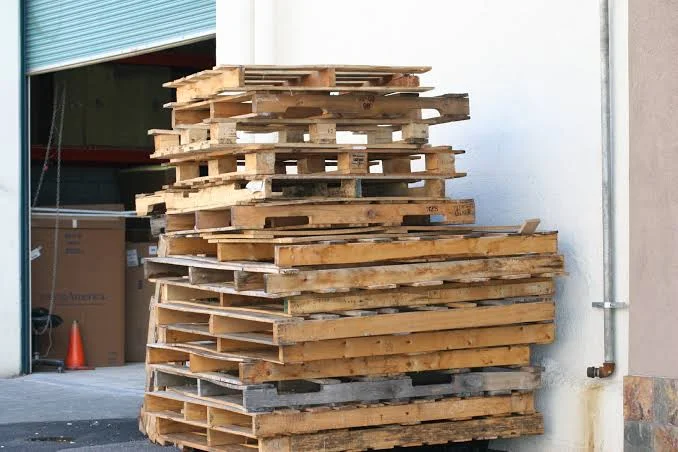
Used wooden pallets are previously utilized shipping platforms that have been recovered for continued commercial use. They are generally collected from manufacturers, warehouses, retailers, and distribution centers before being inspected and sorted.
Some used pallets remain suitable for immediate reuse, while others undergo repairs to restore damaged components. Pallets that meet the necessary structural and handling requirements can be returned to commercial operations.
Businesses purchasing used wooden pallets can often reduce procurement costs while maintaining the pallet inventory required for regular shipments.
Types of Used Wooden Pallets for Sale
Used wooden pallets are available in different grades and configurations. Selecting the appropriate type depends on product weight, transportation requirements, and budget.
Grade A Used Wooden Pallets
Grade A pallets are generally in better condition, with relatively limited visible wear. They may have minor repairs but typically maintain a more consistent appearance.
These pallets are often preferred for businesses requiring cleaner presentation and dependable pallet quality.
Grade B Used Wooden Pallets
Grade B pallets usually show more signs of previous use and may contain repaired or replaced components.
They are commonly selected for routine warehouse and shipping applications where pallet appearance is less important. Businesses should verify structural condition and suitability before loading products.
Remanufactured Wooden Pallets
Remanufactured pallets are restored or assembled using recovered wooden components. This process extends the useful life of pallet materials and provides another purchasing option.
They can be suitable for businesses seeking economical shipping platforms while maintaining required pallet specifications.
Standard 48 x 40 Wooden Pallets
The 48 x 40-inch pallet is widely used in North American warehousing and distribution. Its standardized dimensions make it compatible with many common material handling systems.
Businesses searching for used wooden pallets for sale frequently consider this size for routine shipping and storage operations.
Benefits of Buying Used Wooden Pallets for Sale
Purchasing used wooden pallets offers several advantages for businesses managing recurring shipping and storage requirements.
Reduce Pallet Purchasing Costs
Used wooden pallets often cost less than newly manufactured alternatives. Businesses purchasing pallets in large quantities may achieve meaningful savings by choosing suitable recycled inventory.
Final costs depend on pallet grade, dimensions, order volume, and transportation requirements.
Support Sustainable Business Operations
Purchasing used wooden pallets helps extend the service life of existing wooden materials. Reusing pallets reduces the demand for replacement timber and limits unnecessary disposal.
This approach can support company sustainability initiatives and improve resource efficiency.
Maintain Flexible Pallet Inventory
Businesses often experience changes in shipment volumes due to seasonal demand, production schedules, and customer orders.
Access to different grades and quantities of used wooden pallets allows purchasing teams to adjust inventory according to operational requirements.
Reduce Material Waste
Reusing wooden pallets helps prevent serviceable shipping materials from being discarded prematurely.
Businesses can also combine used pallet purchasing with repair and recycling programs to recover additional value from damaged inventory.
Used Wooden Pallets vs. New Wooden Pallets
Both used and new pallets provide practical solutions for storing and transporting goods. The right option depends on the application, load requirements, and purchasing budget.
| Used Wooden Pallets | New Wooden Pallets |
| Previously utilized and recovered for reuse | Manufactured using new wooden components |
| Generally available at lower prices | Typically involve higher purchasing costs |
| May contain repaired or replaced components | Usually have a more uniform appearance |
| Available in different grades and conditions | Can be built to specific requirements |
| Help extend the life of existing wood materials | May be preferred for specialized applications |
Used pallets can be suitable for many everyday shipping requirements when properly inspected. New pallets may be necessary for applications requiring specialized designs or specific construction standards.
What to Check Before Buying Used Wooden Pallets for Sale
Businesses should evaluate several important factors before purchasing used wooden pallets.
Inspect Pallet Condition
Check for broken boards, damaged stringers, protruding nails, and missing components. These issues can affect handling performance and create safety concerns.
Pallets with significant structural damage should be repaired or removed from service before use.
Verify Size and Dimensions
Confirm that the pallets match warehouse storage systems, forklifts, pallet jacks, and shipping requirements.
While 48 x 40-inch pallets are common, other dimensions may be necessary depending on the industry and application.
Evaluate Load Requirements
Different products place different demands on pallet structures. Businesses should consider product weight, load distribution, handling methods, and storage conditions.
The pallet’s condition and design should support the intended application.
Check for Contamination
Inspect used wooden pallets for unusual stains, chemical odors, mold, and signs of excessive moisture.
Pallets with unknown contamination should not be used for sensitive products or applications where they may create safety concerns.
Confirm Treatment Requirements
Businesses using wooden pallets for international shipments should verify applicable treatment and marking requirements.
Where required, pallets must comply with ISPM 15 standards for wood packaging used in international trade.
Industries That Purchase Used Wooden Pallets for Sale
Used wooden pallets serve several industries that regularly handle palletized goods.
Warehousing and Distribution
Warehouses use pallets to organize inventory, support storage operations, and prepare products for shipment.
Buying used wooden pallets can help facilities maintain inventory while reducing recurring material costs.
Manufacturing Facilities
Manufacturers use wooden pallets to transport raw materials, components, and finished products.
Used pallets offer an economical option when their structural condition and dimensions meet production and transportation requirements.
Retail and Wholesale Distribution
Retailers and wholesalers rely on pallets to move packaged merchandise between suppliers, distribution centers, and customers.
Used wooden pallets can help these businesses manage frequent shipments without purchasing new pallets for every load.
Logistics and Freight Companies
Freight operators and third-party logistics providers handle goods for multiple clients with varying pallet requirements.
Access to different used pallet sizes and grades helps accommodate routine transportation needs.
How to Choose a Supplier Offering Used Wooden Pallets for Sale
Selecting a dependable supplier helps businesses maintain pallet quality and consistent availability.
Important considerations include:
- Pallet grading: Confirm how the supplier classifies and inspects used pallets.
- Product availability: Check whether the required sizes and quantities are consistently available.
- Quality control: Understand the supplier’s inspection and repair procedures.
- Bulk purchasing: Determine whether volume-based pricing is available.
- Delivery services: Confirm transportation arrangements and delivery coverage.
- Pricing transparency: Compare costs based on grade, quantity, and pallet specifications.
A reliable supplier should provide clear information about pallet condition, available inventory, and expected delivery arrangements.
How to Manage Used Wooden Pallet Inventory Efficiently
Effective pallet management begins with monitoring inventory levels, shipment frequency, and pallet damage rates. These records help businesses determine suitable purchasing quantities.
Storing used wooden pallets in dry, organized areas can reduce moisture exposure and prevent unnecessary deterioration. Proper forklift handling and regular inspections also help extend pallet service life.
Businesses can further reduce expenses by repairing suitable damaged pallets and recycling units that are no longer serviceable. Combining these practices with planned purchasing helps maintain consistent pallet availability.
Conclusion
Used wooden pallets for sale provide businesses with an economical option for managing shipping, storage, and material handling requirements. Their availability in multiple grades and dimensions allows companies to select pallets suited to different operational needs.
By evaluating pallet condition, verifying specifications, and working with dependable suppliers, businesses can reduce procurement expenses and maintain reliable pallet inventory. Proper storage, handling, and recycling practices can further extend pallet service life and support efficient warehouse operations.