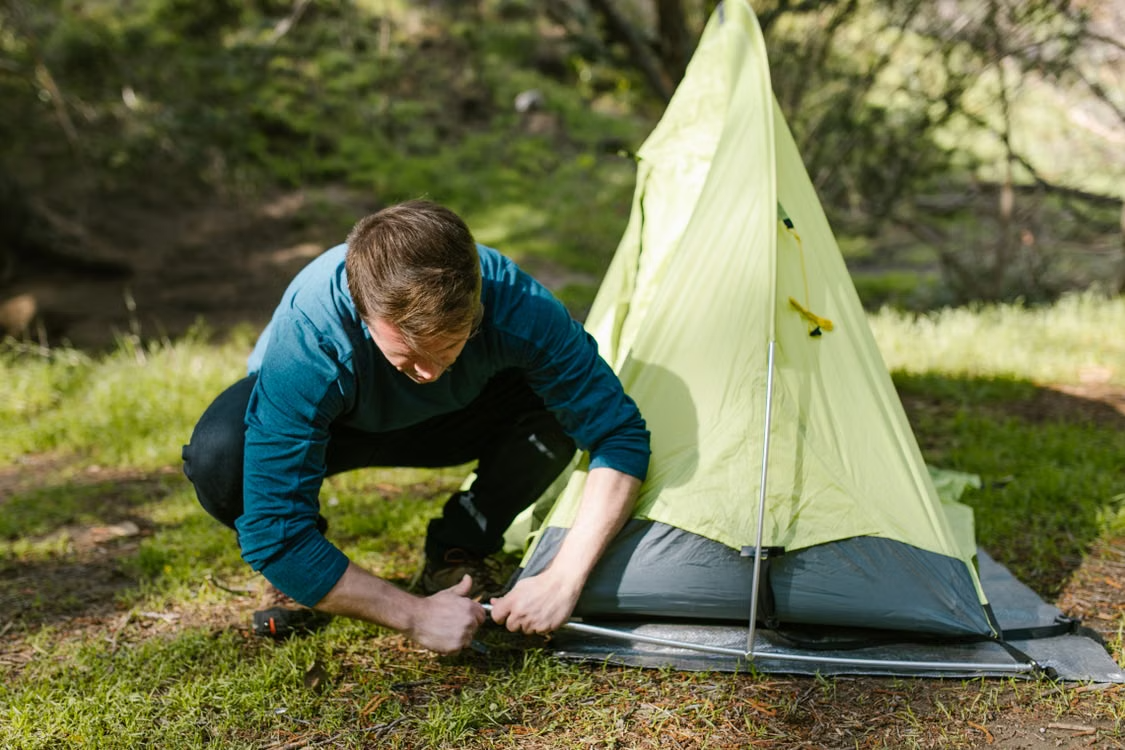
One Person Tent: What to Look For in 2026
A one person tent is a deceptively tricky bit of kit to buy well. Squeeze too much fabric into a small footprint and you end up with a tent that’s heavy for what it offers. Cut too much and you’re lying in a damp sleeping bag with your rucksack jammed against your face. Anyone shopping for a solo tent this year needs to weigh up weight, weather resistance and livability rather than just picking the cheapest option on the shelf. Sites like oex stock a range of solo and small group tents, which makes them a useful starting point for comparing what’s actually on offer at different price points.
Key takeaways
- A one person tent should typically weigh between 1kg and 2.5kg depending on whether it’s for backpacking or car camping
- Look for a hydrostatic head of at least 3000mm, rising to 5000mm for exposed British pitches
- Porch space matters more than most buyers expect, since it keeps wet gear out of the sleeping area
- Some solo campers prefer a compact two person tent over a true one person design for the extra room
- Aluminium poles and a separate footprint groundsheet both extend the life of a solo tent significantly
What Makes a Good One Person Tent
The best solo tent balances three things: pack weight, internal space and weather protection. Get the balance wrong and it either weighs you down on the trail or leaves you cramped and cold on a wet night in the Lake District.
Most solo tents fall into one of two camps. There are ultralight backpacking shelters built for long-distance hikers who count every gram, and there are slightly heavier, more robust tents aimed at car campers or short wild camping trips. Knowing which category you actually need saves a lot of wasted money.
Backpacking vs Car Camping Solo Tents
If you’re carrying the shelter for miles each day, weight and pack size dominate every other consideration. If you’re driving to a campsite or wild camping spot and only walking the last stretch, you can afford a heavier, more comfortable solo tent with a bit more headroom and porch space.
Weight and Pack Size
A one person tent should typically weigh somewhere between 1kg and 2.5kg depending on its intended use. Anything much heavier than that and you’re really carrying a two person tent designed for one.
- Under 1.5kg: genuine backpacking and long-distance hiking use
- 1.5kg to 2kg: a sensible middle ground for weekend trips and moderate walk-ins
- Over 2kg: fine for car camping but heavy for multi-day treks
Pack size matters just as much as weight if you’re travelling by bike or public transport, or trying to fit everything into a 45 litre rucksack alongside food, water and a stove.
Weather Protection for British Conditions
British weather doesn’t do half measures. A solo tent needs a hydrostatic head rating of at least 3000mm on the flysheet to cope with sustained rain, and 5000mm or more if you’re pitching on exposed hillsides or coastal sites.
Look at the pole structure too. A tunnel or geodesic design with two or three poles handles wind far better than a single hoop tent, which can flap and feel flimsy in anything above a moderate breeze. Seam-sealed flysheets and a bathtub-style groundsheet that rises several centimetres up the tent walls will keep water out even when you’ve pitched on ground that’s wetter than it looked.
Porch Space and Livability
This is where a lot of solo tents fall down. A porch, even a small one, gives you somewhere to store wet boots, cook on a stove in bad weather, and keep your rucksack dry without it taking up space inside the sleeping area.
Some campers choose to size up rather than go for a true one person tent, picking a compact two person model instead purely for the extra porch and elbow room. The oex phoxx 2 is an example of this kind of tent: nominally a two person shelter but light enough that solo campers who value comfort over shaving off every last gram often choose it instead of a dedicated one person design.
Poles and Groundsheets
Pole material affects both weight and durability. Aluminium poles are lighter and stronger than fibreglass and tend to survive years of use rather than snapping after a couple of seasons. Check whether replacement poles are available separately, since a snapped pole in the middle of a trip can end a camping weekend fast if there’s no spare.
A separate footprint groundsheet is worth the extra cost for anyone camping regularly. It sits under the tent floor, absorbs the abrasion from stones and roots, and extends the life of the main groundsheet considerably. It also adds a small amount of extra waterproofing on genuinely soggy ground.
One Person Tent vs Other Solo Shelter Options
Not every solo camper needs a ground tent at all. Anyone travelling by 4×4 or estate car for extended road trips might find a roof tent a better fit, since it lifts you off wet or uneven ground entirely and sets up in a few minutes. The oex roof tent range is aimed at exactly this kind of vehicle-based camping, though it’s a very different proposition from a lightweight shelter you’d carry on your back.
For most hikers and solo wild campers, though, a proper one person tent remains the lighter, more flexible choice, particularly if you’re covering ground on foot rather than staying near the car.
Quick Comparison Table
| Tent Type | Typical Weight | Best For |
| Ultralight solo tent | Under 1.5kg | Multi-day hiking, long-distance trails |
| Standard solo tent | 1.5kg to 2.5kg | Weekend trips, moderate walk-ins |
| Compact two person tent | 2kg to 3kg | Solo campers wanting extra porch space |
| Vehicle roof tent | N/A (mounted) | Road trips, car-based camping |
Setting Up and Looking After a Solo Tent
Pitch on the flattest ground available and angle the door away from prevailing wind wherever possible. A one person tent has less room to manoeuvre inside than larger designs, so getting the pitch right first time saves a lot of awkward repositioning later.
After a trip, dry the tent fully before packing it away long term. Damp fabric left folded in a bag for weeks is one of the most common causes of mildew and material breakdown, and it’s an easy problem to avoid with ten minutes of airing time.
Frequently Asked Questions
How much should a one person tent weigh?
Most solo tents weigh between 1kg and 2.5kg. Anything under 1.5kg is aimed at serious backpackers, while models closer to 2.5kg usually offer more space and durability at the cost of extra weight.
Is a solo tent big enough for gear storage?
It depends on the design. Shelters with a small porch or vestibule give you somewhere to store boots and a rucksack outside the sleeping area, which makes a real difference on wet trips.
What hydrostatic head rating do I need for UK camping?
A rating of at least 3000mm is a sensible minimum for British weather, with 5000mm or higher recommended for exposed or coastal pitches where rain and wind are more severe.
Should I buy a one person tent or a compact two person tent?
If comfort and porch space matter more to you than shaving off weight, a compact two person tent can be a better solo option. If you’re covering long distances on foot, a true one person tent will usually serve you better.
How long should poles and groundsheets last on a solo tent?
Aluminium poles can last many years with reasonable care, while groundsheets benefit from a separate footprint to reduce wear. Replacing worn components is usually far cheaper than buying an entirely new tent.