How Custom Display Boxes Turn Product Visibility Into a Retail Advantage
Retail packaging usually has one primary job: protect the product until a customer buys it. Display packaging has a more demanding role. It must protect the merchandise while actively helping sell it. That difference is why custom display boxes have become an important packaging choice for brands competing for attention in stores, boutiques, checkout areas, exhibitions, and promotional spaces.
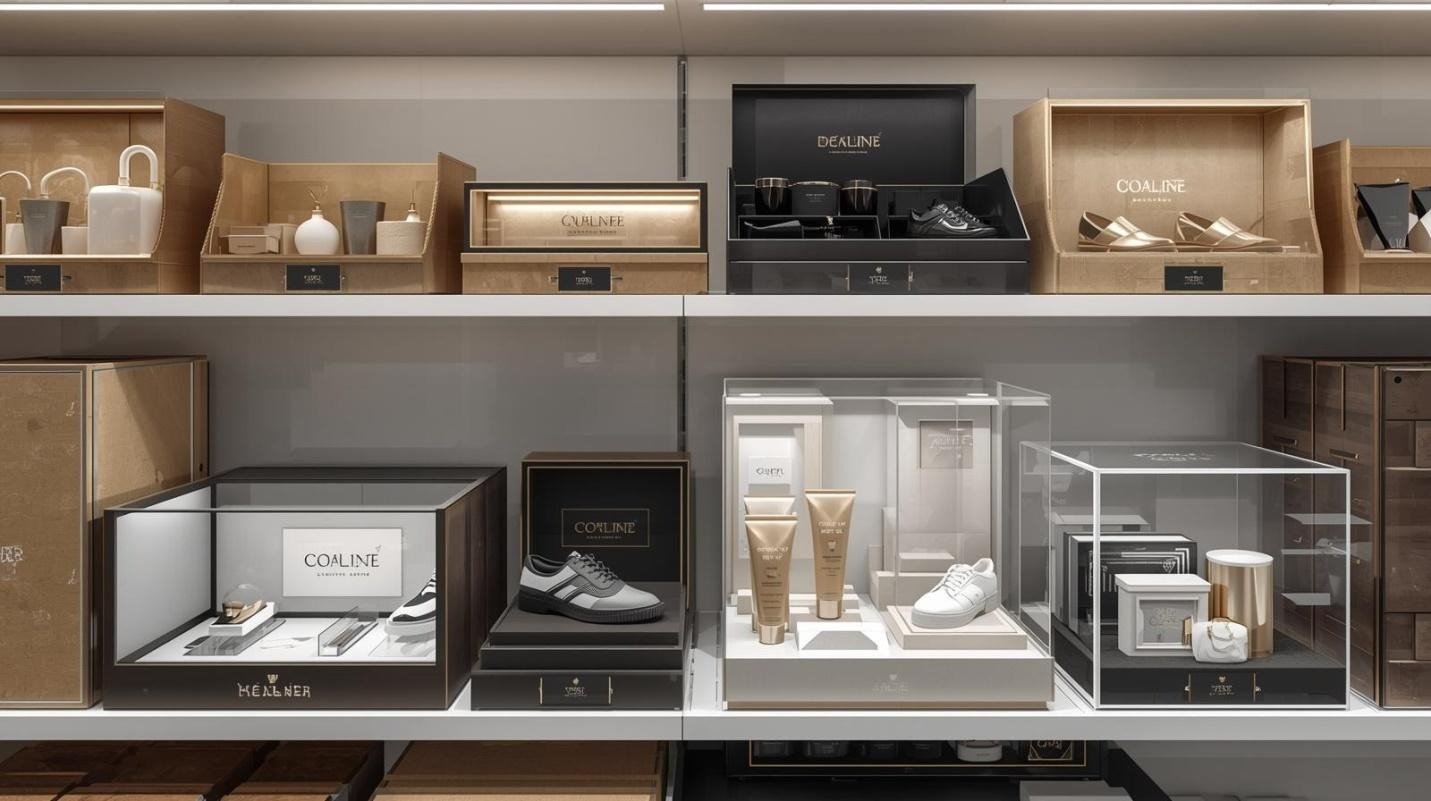
A well-designed display box puts the product where shoppers can see it, understand it, and reach it easily. Instead of hiding merchandise inside conventional packaging, display packaging integrates product presentation with protection and branding. From cosmetics and jewelry to snacks, accessories, small electronics, and promotional items, the right display structure can transform ordinary shelf space into a branded selling opportunity.
The Few Seconds That Matter at the Point of Sale
Customers rarely study every product available in a busy retail environment. They scan shelves, compare familiar brands, notice unusual shapes or colors, and often make decisions within seconds.
This makes the point of sale especially valuable.
A conventional carton may rely primarily on printed graphics to communicate what is inside. A display box can go further by physically presenting multiple products together and making them immediately accessible.
For example, a counter unit containing individually packed cosmetics can organize the products while displaying branding above them. A snack display can keep individual packs upright rather than scattered across a shelf. Small accessories can be arranged so customers immediately understand the available options.
In each case, the packaging becomes part of the merchandising strategy rather than simply a container.
Display More Without Making the Shelf Look Cluttered
Maximum visibility does not mean exposing everything without structure. Too many products packed into a small area can make even attractive merchandise look disorganized.
Effective Product Display Boxes create visual order.
Products can be positioned in rows, compartments, tiers, or dedicated sections according to their dimensions. The front panel can be lowered so shoppers can see the merchandise, while a raised back panel provides space for branding and product messaging.
This combination helps retailers maintain a clean display while allowing customers to interact with products easily.
For brands with multiple flavors, shades, fragrances, or variants, organized displays can also make product selection simpler. Customers can compare options without searching through loose merchandise.
Counter Display Boxes Put Products Within Easy Reach
Some products perform best when they are positioned close to the customer rather than placed on a conventional shelf.
Counter Display Boxes are commonly used near checkout counters, reception desks, service areas, and other high-traffic locations. Their compact footprint makes them suitable for products that benefit from impulse purchases or quick customer decisions.
They can be used for items such as:
- Cosmetics and beauty accessories
- Candy and packaged snacks
- Small electronics
- Promotional samples
- Health and personal-care products
- Stationery
- Gift items
- Small hardware accessories
The structural design matters because the display must remain stable as customers remove individual products. A poorly designed unit may collapse or lose its presentation once several items have been sold.
Custom dimensions help ensure the display remains functional throughout the selling cycle rather than looking attractive only when completely full.
Different Products Need Different Display Strategies
One display structure cannot work equally well for every industry. Product size, value, customer behavior, and retail environment should influence the design.
- Cosmetic Display Boxes
Beauty products depend heavily on presentation. Cosmetic Display Boxes can organize lip products, skincare items, makeup accessories, sample sizes, and other merchandise while maintaining a polished appearance.
Color coding and printed dividers can also help shoppers distinguish different shades or product ranges.
- Jewelry Display Boxes
With Jewelry Display Boxes, presentation often needs to communicate refinement while keeping small pieces organized. Inserts and compartments can separate individual items and prevent the display from appearing crowded.
- Shoe Display Boxes
Shoe Display Boxes have different priorities. They require more space and structural support while often benefiting from product visibility. Depending on the retail concept, windows or display-oriented openings can allow shoppers to identify footwear without repeatedly opening cartons.
The lesson is simple: the best display is designed around how customers actually shop for that particular product.
Cardboard or Acrylic? The Purpose Should Decide
Display packaging can take several forms, and businesses should select materials based on the intended use rather than appearance alone.
Cardboard display boxes are highly practical for retail promotions, countertop merchandising, seasonal campaigns, and products that require extensive printed branding. They can be manufactured in custom shapes and are generally efficient to store and transport before assembly.
Acrylic displays serve a different purpose. Perspex Acrylic Display Boxes and Acrylic Display Cases provide clear visibility and are often used for collectables, premium products, samples, or merchandise intended to remain protected while visible.
Clear display cases may be appropriate when the product itself is the primary visual attraction. Printed cardboard is often more suitable when brand communication and promotional graphics need to play a larger role.
Neither option is universally better. The decision depends on whether the priority is branded merchandising, reusable presentation, physical protection, or unobstructed product visibility.
Structural Design Can Influence How Customers Interact With Products
The shape of a display determines more than its appearance. It can influence whether customers notice the merchandise, how easily they reach it, and how well the unit performs as stock levels decrease.
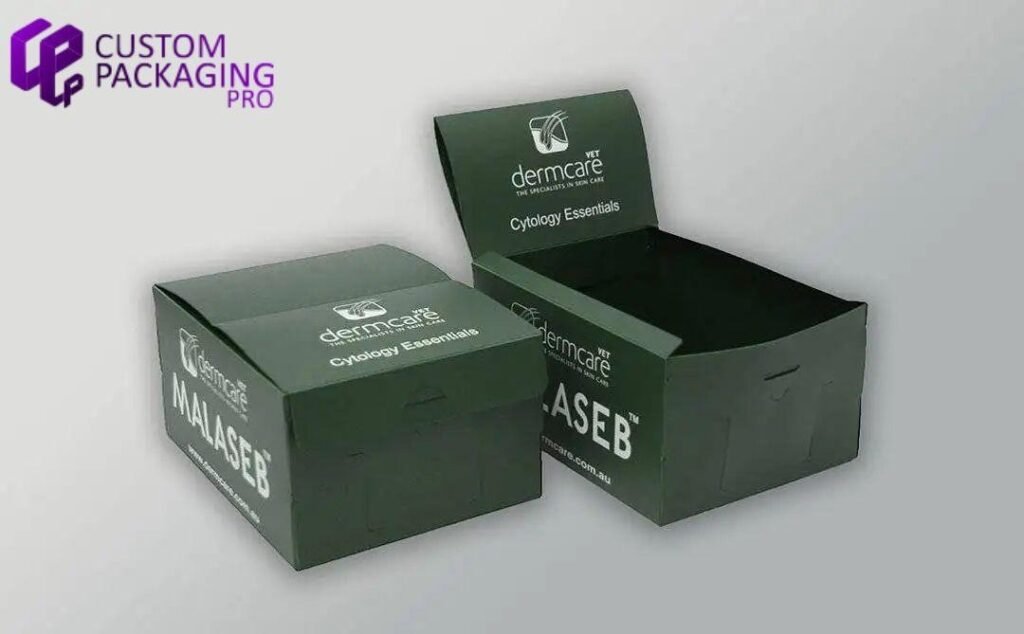
Die cut construction allows packaging designers to create openings, product slots, windows, tabs, and other functional elements around the merchandise.
A display might use a perforated section that converts a shipping carton into a retail-ready unit. Another may use stepped tiers so products at the back remain visible. A compact counter top box may include an elevated header card to keep branding visible above the merchandise.
These structural decisions can make a significant difference in real retail environments where shelf space is limited.
Printing Gives the Display a Second Job
A display without branding can organize merchandise, but a custom printed display box can also communicate.
Printed surfaces give businesses room for:
- Brand logos
- Product names
- Promotional messages
- Usage benefits
- Product imagery
- QR codes
- Seasonal artwork
- Instructions
- Social media information
The strongest designs do not attempt to fill every surface. Retail environments are already visually busy, so a clear hierarchy usually performs better than excessive information.
The logo and primary message should be easy to identify from the customer’s viewing distance. Supporting details can then appear closer to the products.
This allows Display Packaging Boxes to function simultaneously as packaging, merchandising equipment, and brand communication.
Retail-Ready Displays Can Simplify Store Setup
Display packaging can also improve efficiency behind the scenes.
Retail employees may receive dozens or hundreds of products that need to be unpacked, organized, and placed on shelves. Retail-ready display structures can reduce some of that work by allowing merchandise to move from shipping cartons to selling areas with less individual handling.
Certain designs can be supplied flat and assembled when needed, while others can hold products during transportation and convert into a display at the destination.
For businesses supplying multiple stores, consistency is another advantage. A custom structure helps products appear in a similar arrangement across different locations instead of depending entirely on how each retailer decides to organize them.
That consistency reinforces branding while simplifying merchandising instructions.
What Makes a Display Box Successful?
A visually impressive concept can still fail if it does not work in a real store. Before approving Custom Display Boxes, brands should think about the complete retail environment.
The display should fit the available counter or shelf space without interfering with nearby products. It should remain stable when fully loaded and when partially empty. Customers should be able to remove individual products without damaging the structure.
The number of products per display also matters. Packing too many units into one box may increase weight and make restocking difficult, while too few can waste valuable retail space.
Other considerations include product dimensions, stacking requirements, assembly time, printing areas, transportation, and whether the display will be temporary or reusable.
A successful display balances all of these factors instead of focusing solely on graphics.
Sustainability Can Start With Smarter Display Design
Temporary retail displays can generate unnecessary material waste when they are oversized or difficult to recycle. Brands looking for more eco friendly options can begin by simplifying the structure.
Paperboard and corrugated materials can be suitable for many retail displays, particularly when unnecessary plastic components are avoided. Right-sizing also reduces material consumption and can improve shipping efficiency.
A design that combines transportation and retail presentation can potentially eliminate the need for a completely separate display structure.
Sustainability should still be balanced with performance. A lightweight display that collapses before the promotion ends is not an effective packaging solution. Material efficiency works best when structural strength and expected display life are considered together.
From Small Businesses to National Retail Campaigns
Display packaging is not limited to large consumer brands. A small business can use compact counter displays to establish a more professional presence in independent stores, pop-up locations, markets, and exhibitions.
As distribution expands, the same packaging concept can be adapted for larger production quantities. Display Boxes Wholesale can help brands maintain consistent dimensions, printing, and merchandising across multiple locations.
The important factor is scalability. A good display system should support current retail needs while allowing adjustments for new product sizes, promotional campaigns, or expanding product ranges.
Creating Custom Display Packaging With Custom Packaging Pro
Custom Packaging Pro develops custom display boxes for brands that need their packaging to do more than simply contain a product. From Counter Display Boxes and Cosmetic Display Boxes to retail-ready Product Display Boxes and printed cardboard displays, structures can be tailored around product dimensions, merchandising goals, branding, and retail environments.
Businesses can order custom packaging for individual product ranges or develop scalable custom wholesale packaging for larger retail programs. As a custom packaging supplier, Custom Packaging Pro also provides custom retail packaging boxes with tailored printing and structural options, helping brands combine product protection with stronger point-of-sale presentation.
FAQs
- What are custom display boxes used for?
Custom display boxes organize and present products in retail environments while providing space for branding and promotional information. They are commonly used on counters, shelves, checkout areas, exhibitions, and promotional displays.
- What products can be placed in counter display boxes?
Counter displays can hold cosmetics, snacks, personal-care items, stationery, small electronics, accessories, promotional products, and many other compact retail goods.
- Can display boxes be custom printed?
Yes. Custom printed display boxes can feature logos, product graphics, promotional messages, QR codes, brand colors, and other visual elements.
- What is the difference between cardboard and acrylic display boxes?
Cardboard displays are particularly useful for printed retail promotions and temporary merchandising. Acrylic display cases provide clear visibility and are often selected for reusable displays, collectables, samples, and premium products.
- Are display boxes available for wholesale requirements?
Yes. Display boxes can be manufactured in larger quantities for businesses supplying multiple stores, distributors, retail campaigns, or expanding product lines.