Cellular Routers in the Field: Where 4G and 5G CPE Devices Make a Real Difference
Fibre and cable are wonderful when they are available, but a large part of real work happens where they are not: on building sites, in orchards, at event grounds, in mountain areas and on remote monitoring stations. In those places, a cellular CPE router can provide the connection that people and machines need. This article looks at the typical situations where these devices are used and what to consider for each.
What a CPE router does
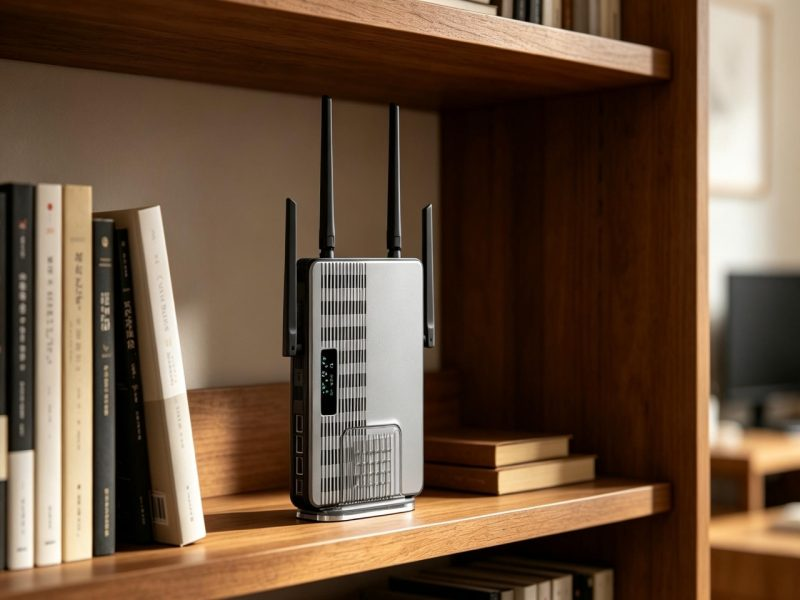
CPE stands for customer premises equipment. A cellular CPE router takes a 4G or 5G signal from a mobile network and turns it into a local network, usually Wi-Fi plus wired Ethernet ports. Many models can also act as an access point, a repeater or a bridge, which gives installers flexibility.
Industrial parks, construction and mining zones
Building sites change constantly, and laying cable for a temporary office is rarely worth the cost. A cellular router can be set up quickly and moved when the project moves. Industrial and mining environments add dust, vibration and temperature swings, so rugged housings matter. KAM UNION lists industrial-grade 4G models with metal housings and IP30 protection, plus a wider temperature range on the two-port model, although the page gives no exact figures. Because IP30 offers no water protection, such devices should sit inside a sheltered enclosure.
Farms, orchards, fish farms and remote monitoring
Agriculture is using more sensors and cameras every year, from irrigation monitors to security cameras. These sites are often far from any cable. Outdoor routers with an IP67 rating, which means dust-tight and able to survive temporary immersion, are a practical fit. The outdoor 5G models in the KAM UNION range list IP67 protection along with 6kV surge and 15kV ESD protection, and they can be pole-mounted or wall-mounted. Mounting high on a pole often improves signal, but placement should always be tested on site.
Hotels, shops and offices as backup
Commercial buildings usually have wired internet, but a cellular router can serve as a second connection. Multi-WAN failover, listed on the five-port 4G model, lets a router move traffic to another link if the main line fails. For a shop taking orders or a hotel running its check-in system, even a short outage can cost money, so a backup link is a sensible safeguard.
Events, exhibitions and temporary offices
Trade shows, exhibitions and short-term offices need internet for days or weeks, not years. Setting up a wired line for such a short period is often slow and expensive. A 5G router with dual-band Wi-Fi 6 can serve many visitors and staff devices at once, though actual speeds depend on the mobile network and the number of users. The wireless speed listed for these models is up to 3000 Mbps, a theoretical maximum under ideal conditions rather than a typical result.
Cameras, sensors and IoT devices
Security cameras, environmental sensors, smart terminals and unmanned equipment all need a stable uplink. The two-port industrial 4G model lists cloud-based remote management, serial and I/O support, Modbus support and IPsec VPN, which suit equipment that must be monitored remotely. When data is sensitive, use a VPN and change default passwords on day one.
Rural areas and emergency communications
In rural and mountainous areas, mobile coverage may be the only practical option. The company also lists emergency response and temporary command centres among its applications. In an emergency, a portable cellular link can restore communication quickly when ground infrastructure is damaged, provided the mobile network itself is still working. Remember that a cellular router depends on that network, so it cannot create coverage where there is none.
Choosing the right router manufacturer for field use
Field conditions are harsher than an office, so the company behind the device matters. A reliable router manufacturer should be able to explain which models suit outdoor use, what protection ratings apply and what support is available after purchase. Ask which models are tested for outdoor conditions, what the warranty covers and how firmware updates are handled. KAM UNION says it supports product selection, requirement analysis, customisation, mass production and delivery, but its page does not list certifications, prices or lead times, so request those in writing.
Practical tips for a better installation
- Test the signal first. Check the mobile signal at the intended spot before fixing anything permanently.
- Use proper mounting. Follow the manufacturer’s guidance for pole or wall mounting, and weatherproof every cable connection.
- Ground and protect. Surge protection helps, but good grounding and quality cabling matter too.
- Secure the device. Use strong passwords, enable the firewall and keep the firmware current.
- Plan power. Make sure the power supply is stable, since an unreliable supply causes more outages than weak signal.
- Keep spare units. For critical sites, a spare router that is already configured shortens any repair.
Conclusion
Cellular CPE routers have become everyday tools for remote and temporary sites. Match the device to the environment, confirm the details with the supplier, and test before deployment. Done carefully, a 4G or 5G router can keep a farm, a project site or an event connected without waiting for cable to arrive.