Wire Mesh Belting 101: A Complete Buyer’s Guide for US Industrial Operations Managers
In industrial processing environments, the conveyor belt is rarely the first thing that gets attention until it fails. When a belt goes down mid-shift, the downstream effects move fast: production halts, product gets damaged or contaminated, maintenance crews scramble, and schedules collapse. For operations managers working across food processing, heat treatment, automotive manufacturing, or chemical handling, belt selection is not an afterthought. It is a foundational decision that shapes throughput, maintenance cycles, and long-term operating costs.
Wire mesh belting occupies a specific and important place within that decision. It is not a universal solution, but in the right applications, it outperforms most alternatives. Understanding how it works, where it fits, and what variables actually matter during procurement is what separates a smart purchase from a recurring maintenance problem.
What Wire Mesh Belting Is and Why It Matters Operationally
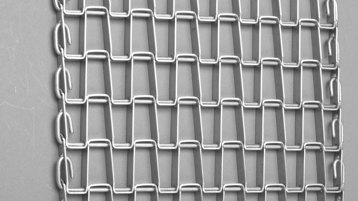
Wire mesh belting is a type of conveyor belt constructed from interlocked metal wire, typically formed into an open-weave pattern that allows airflow, drainage, liquid passthrough, or heat exposure while still providing a stable, continuous transport surface. Unlike solid rubber or plastic modular belts, mesh belting is designed for environments where contact with heat, steam, water, or chemical agents is continuous and unavoidable. Its structure is inherently porous, which is what makes it functional in those conditions rather than a liability.
For operations managers sourcing this type of equipment, referencing a comprehensive Wire Mesh Belting guide that addresses material grades, weave configurations, and application-specific construction can prevent mismatched specifications before a purchase order is submitted. Getting the specification wrong at the selection stage is significantly more expensive than getting it right upfront.
The core operational value of wire mesh belting comes from its ability to remain structurally stable under conditions that would degrade most other belt materials. High temperatures, repeated thermal cycling, exposure to oils or acids, and the weight of heavy or irregular product loads are all conditions that mesh belting handles well when properly specified. It does not stretch, warp, or delaminate the way polymer belts can, and it maintains consistent belt width and tracking under load.
The Connection Between Belt Construction and Process Reliability
The way a wire mesh belt is constructed directly determines how it performs under operational stress. Weave type, wire gauge, pitch, and the method used to join belt sections all influence how the belt handles tension, product contact, and thermal exposure over time. A loosely specified belt might function adequately in the first few months but begin to distort, develop edge fraying, or track poorly once it has gone through repeated heating and cooling cycles.
Operations that run continuous shifts are especially vulnerable to this kind of degradation. A belt that begins to track unevenly will eventually contact the frame, generating metal contamination in food processing environments or causing mechanical strain in automated lines. Catching belt wear patterns early is possible, but preventing the root cause through correct specification is far more cost-effective than monitoring and reacting.
Common Applications Across US Industrial Sectors
Wire mesh belting is used across a wide range of industries in the United States, and the reasons for that range are not arbitrary. The combination of open structure, metal durability, and thermal resistance makes it applicable wherever conventional belt materials would fail or require excessive maintenance. The specific configuration used varies by industry, but the underlying suitability factors are consistent.
Common application areas include:
• Food processing and baking operations, where belts pass through ovens, steam tunnels, or freezing chambers while carrying product that requires consistent airflow or drainage contact
• Heat treatment and metal finishing, where parts are conveyed through furnaces or quench systems at temperatures that would destroy polymer-based conveyor materials
* Glass and ceramics manufacturing, where product is transported through high-temperature kilns and requires a belt that will not contaminate the substrate
• Automotive and parts washing systems, where belts are exposed to detergents, high-pressure water, and repeated wet-dry cycling across shifts
* Chemical and pharmaceutical processing, where resistance to specific cleaning agents or sterilization protocols is a non-negotiable requirement
• Packaging and sorting operations that require a stable, flat transport surface that resists deformation under consistent product weight
The thread connecting all of these applications is environment. Wire mesh belting is not selected primarily because it is strong or durable in a general sense. It is selected because the operating environment is specifically hostile to alternatives, and the cost of belt failure in those environments is high.
Why Application Matching Prevents Premature Failure
Specifying a wire mesh belt without detailed knowledge of the operating environment tends to produce one of two outcomes: over-specification, where the belt is more robust than necessary and the cost is higher than justified, or under-specification, where the belt fails ahead of schedule and the maintenance and replacement burden exceeds the cost savings of the original purchase decision.
A food processing operation running at moderate temperatures with wet product has different requirements than a heat treating facility cycling parts through a continuous belt furnace. Both might use wire mesh belting, but the material grade, weave pattern, and edge treatment needed for each are meaningfully different. Operations managers who treat wire mesh belting as a commodity category often discover that difference through repeated belt failures.
Material Selection and Its Long-Term Implications
The wire used in mesh belting is not uniform across products. Different alloys are formulated for different exposure conditions, and the material selected at purchase will determine how the belt performs across its service life. The most commonly encountered base materials are carbon steel, stainless steel in various grades, and specialty alloys designed for extreme heat or chemical exposure.
Carbon steel wire mesh belting is cost-effective for dry, moderate-temperature applications where corrosion is not a concern. In environments where moisture, food acids, cleaning chemicals, or elevated temperatures are present, stainless steel grades become necessary. The specific stainless grade matters significantly — a grade suitable for general food contact may not be appropriate for high-chloride cleaning environments, and using the wrong grade will result in corrosion pitting that shortens belt life and introduces contamination risk.
For extremely high-temperature applications, such as continuous belt furnaces used in metalworking or ceramics, specialty high-temperature alloys are used. These materials are formulated to resist oxidation and maintain structural integrity at temperatures where standard stainless would begin to degrade. The cost difference is real, but so is the consequence of using a material that cannot handle the application.
Balancing Cost Against Replacement Frequency
One of the more consistent mistakes in wire mesh belt procurement is optimizing for purchase price rather than total cost of ownership. A lower-grade belt that requires replacement twice per year in a demanding application costs more over a three-year period than a properly specified belt installed once and maintained according to schedule. The maintenance labor, production downtime during belt changes, and potential product loss during unplanned failures all factor into the actual cost of the procurement decision.
Operations managers who track belt replacement cycles and failure causes across facilities are better positioned to make defensible specification decisions. That data also provides leverage when working with suppliers or internal stakeholders who prioritize unit cost over reliability outcomes.
Procurement Considerations for US Operations
Sourcing wire mesh belting for US industrial operations involves more than identifying the right specification. Lead times, supplier capabilities, inventory practices, and the availability of custom belt widths and configurations all affect how smoothly procurement integrates with operational planning.
Standard belt configurations are available through most industrial distributors, but many real-world applications require custom dimensions, specific edge treatments, or configurations not carried in standard stock. The ability to source custom belts in a reasonable timeframe is particularly important for facilities running specialized equipment or older conveyor systems where off-the-shelf belts do not fit correctly.
It is also worth considering whether a supplier can provide belts that meet relevant industry standards. In food processing, for example, compliance with FDA material requirements and hygienic design principles outlined by organizations such as the 3-A Sanitary Standards body may be necessary depending on the product handled and the applicable regulatory environment. Confirming compliance at the procurement stage avoids complications during audits or facility inspections.
Managing Inventory and Planned Maintenance Cycles
Wire mesh belts used in continuous or high-demand operations benefit from a planned replacement approach rather than a reactive one. Keeping a spare belt for each critical conveyor line is a straightforward way to reduce unplanned downtime risk. When a belt reaches the end of its service life through routine monitoring rather than unexpected failure, the replacement can be scheduled during planned maintenance windows rather than emergency shutdowns.
This approach also improves cost predictability. Budget planning for belt replacement is far simpler when replacement cycles are based on documented service life data rather than unknown failure timelines. Over time, facilities that take this approach tend to see a reduction in unplanned downtime events and a clearer picture of their actual maintenance spend.
Closing Considerations for Operations Managers
Wire mesh belting is a mature, well-understood product category, but that does not mean all procurement decisions in this category are straightforward. The range of configurations, materials, and application conditions is broad enough that specification errors remain common and costly. The operations manager who invests time in understanding what distinguishes one belt configuration from another is better positioned to make procurement decisions that hold up across the full service life of the equipment.
The key factors worth keeping in focus are environment first, then material, then construction detail. A belt that performs reliably in the actual operating conditions of your facility is worth more than a belt that looks adequate on paper but begins failing in the first season of use. Consistent belt performance supports consistent throughput, and in most industrial operations, throughput consistency is where the real financial value lives.
Taking a structured approach to belt selection — one that ties specification decisions to documented operating conditions, tracks replacement cycles, and accounts for total cost rather than unit price — is what separates facilities that manage their conveyor systems from those that are managed by them.