China’s Top-10 PE Valve Bag Brands: VidePak JSTY JELIN and so on
Market Overview of PE Valve Bags in China
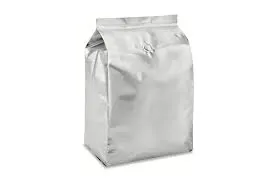
Polyethylene (PE) valve bags – heavy-duty, vented sacks with an integral filling valve – are a cornerstone of modern industrial packaging in China. Designed for automated, dust-free filling of powdered or granular materials, valve bags find broad application in sectors like cement, fertilizer, chemicals, and food additives. The small fill-valve (often in a corner or side) automatically seals the bag under product pressure, eliminating manual stitching or taping. This innovation boosts packaging efficiency and minimizes spillage. Chinese manufacturers have advanced this technology by using multi-layer co-extruded PE films, anti-block coatings, and precise micro-perforation patterns to optimize venting without sacrificing strength.
Demand for PE valve bags in China has surged alongside rapid industrial growth. Major construction, petrochemical and agricultural enterprises require reliable bulk packaging for materials (e.g. cement, activated carbon, resins, feeds). Domestic standards (often based on ASTM or GB protocols) ensure bag performance and safety. Many leading producers now fully comply with international quality systems (ISO 9001, ISO 14001, etc.), reflecting a market trend toward global competitiveness and sustainability. In this landscape, a handful of Chinese companies have emerged as top players, each investing heavily in technology, equipment and quality control to secure long-term contracts with petrochemical giants (like Sinopec and BASF) and serve both local and export markets.
VidePak – Leading Innovator Among Chinese Valve Bag Manufacturers
Shanghai-based VidePak (founded 2008) is widely regarded as one of China’s top three PE valve bag brands. The company has positioned itself at the premium end of the market through strategic sourcing and advanced production technology. VidePak sources virgin PE resin from leading petrochemical producers (e.g. Germany’s BASF and China’s Sinopec and Yangzi Chemical). This ensures a high-grade raw material with consistent melt index and purity, which is critical for strength and flexibility. The company’s facilities are equipped with state-of-the-art machinery – notably German W&H form-fill-seal lines and Austrian Starlinger circular looms – enabling precision extrusion and weaving. VidePak follows international standards (ASTM, ISO) in its manufacturing processes; it employs a full quality-management system with rigorous testing at every stage.You can check here for more details:
- Raw Materials & Production: Uses 100% virgin polypropylene (PP) and polyethylene (PE) polymers from top suppliers. Multi-layer (up to 9-layer) co-extrusion film lines and PP weaving looms produce films and fabrics with uniform gauge. Custom features (e.g. micro-perforations, anti-slip coatings) are engineered in-line.
- Production Capacity & Output: VidePak’s quoted production capacity runs into hundreds of millions of bags per year. It reports around 300–800 million pieces annually across its product portfolio. Facilities include over 100 circular weaving looms, 16 blown-film extrusion lines, and 30+ lamination/printing machines. This large scale allows VidePak to serve bulk orders for major chemicals, feed and cement producers.
- Quality Control & Standards: All operations adhere to ISO9001 (quality), ISO14001 (environment) and often ISO18001 (safety). Incoming resin is verified for grade; finished valve bags undergo tensile, burst, and seal integrity tests before shipment. The company also meets food-grade regulations for edible products.
- Market Presence: VidePak’s valve bags are used by chemical, construction and agricultural industries nationwide. Through strong export channels, it serves over 70 countries and regions (Japan, Korea, Middle East, Africa, Americas, etc.). The brand emphasizes “bags for better” – focusing on durable, high-barrier designs for advanced applications.
VidePak’s strategic advantages – premium raw materials, cutting-edge German/Austrian equipment, and strict adherence to ASTM/ISO standards – make it a technology leader. Its ability to customize valve designs (e.g. paper inserts, easy-open tapes, sonic heat seals) and produce block-bottom or gusseted sacks gives customers flexible solutions. Overall, VidePak sets a high benchmark in China’s valve-bag market by combining innovation with large-scale production and export-oriented quality control.You will find more details on https://www.pp-wovenbags.com/pe-valve-bags-2025-guide/
JSTY Plastic Packaging – Diverse Heavy-Duty Sacks
JSTY (est. 2010) is a rapidly growing manufacturer of PE industrial bags, headquartered in Jiangsu Province. The company prides itself on a solid 20+ year foundation in heavy-duty packaging, encompassing R&D, production and sales. JSTY’s product line is broad, focusing especially on agricultural and chemical sectors. Key offerings include fertilizer FFS film bags (typically 25 kg), chemical and seed fertilizer open-mouth bags, and PE valve sacks for fine powders. Notably, JSTY produces polymer and carbon black pigment bags, block-bottom bags and powder bags for specialty chemicals.
- Company Profile: JSTY operates modern extrusion and bag-making facilities. It has shifted from traditional sales into full OEM production capability, emphasizing custom designs (printing, lamination, valve options) for clients.
- Product Range: Major products (25 kg capacity unless noted): fertilizer valve bags, chemical packaging bags, polymer-filled bags, carbon black pigment bags, gusseted/accordion style bags, powder-loading valve sacks. They also make heavy-duty composite bags combining PE with PP or kraft paper.
- Technology & Quality: Uses PE film blowing lines and high-speed stitching machines. Ensures quality through in-process and final inspection. While not as automation-intensive as VidePak, JSTY implements international technical standards (e.g. following ASTM F1140 for valve dimensions).
- Market Focus: JSTY’s sacks serve China’s petrochemical and construction industries (e.g. cement, adhesives), agriculture (fertilizers, seeds), and additives (carbon black pigment, plastic modifiers). Many Chinese fertilizer and feed producers rely on JSTY for reliable packaging. Although primarily domestic, the company also exports regionally to Southeast Asia and Africa.
In summary, JSTY’s strength lies in its product diversity and application breadth. With deep experience in fertilizer and chemical packaging, it is a key supplier for sectors needing heavy-duty PE sacks. The company continually refines its products (such as developing ventilated FFS films for fast-filling lines) to meet evolving customer needs in China’s industrial markets.
JELIN – Innovation-Driven Heavy Packaging Specialist
Founded in 2004, Jiangsu Jelin (commonly JELIN) specializes in high-performance PE packaging for the chemical and construction industries. JELIN emphasizes innovation – it has an “excellent technical and management team” and operates with “world’s advanced equipment”. The company actively participates in industry standard development, reflecting its role as a technical leader in China’s packaging sector.
- Core Products: JELIN manufactures form-fill-seal (FFS) tubular film sacks, powder-grade valve bags, and specialty film coverings for heavy loads. Its portfolio includes 3- to 5-layer co-extruded PE FFS rolls (for automated bagging machines), breathable (micro-perforated) valve bags for cement and lime, and cold-stretch film wraps that cover bulky items.
- Technology & Innovation: The plant is equipped with imported multi-layer extrusion lines and high-precision bag-making machines. JELIN focuses on R&D – for example, engineering highly uniform perforation patterns to allow venting without particles leaking. It has contributed to national packaging standards, pushing the industry toward safer, higher-quality sacks.
- Market Segments: JELIN’s bags are used in heavy industries across China. Cement and building-materials firms use its FFS sacks for cement and mortar; chemical companies (resins, calcium carbonate, etc.) use its valve bags for powders. Its cold-stretch covers find niche use in securing large packaged goods. The company supplies both state-owned enterprises (SOEs) and private manufacturers, mainly domestically but also to nearby Asian markets.
In essence, JELIN combines advanced equipment with active R&D to serve demanding bulk-packaging applications. Its emphasis on quality and standards has earned it recognition as a top valve-bag OEM, particularly for specialized applications like breathable cement bags and multi-layer FFS systems.
JM Pack – Integrated Industrial Packaging Solutions
JM Packaging Co., Ltd. (trading as JMPACK, founded 2009) is a large OEM supplier of industrial heavy-duty packaging bags. Unlike some competitors focused solely on plastic, JM Pack covers both plastic and paper-based solutions. It produces PP woven bags, PE/PP laminated bags, multi-wall paper valve sacks, and flexible jumbo FIBC bags.
- Facilities & Capacity: The company operates a fully automated production line imported from Germany’s W&H Group for valves and bag-making. It boasts a high output: around 100,000 PE valve bags per day and roughly 30 tons/day of triple-layer blown PE film. Overall, JM Pack is considered a leading Chinese maker of heavy packaging with strong production capacity.
- Product Portfolio: Key products include PE valve sacks, FFS tubular film and rolls (for form-fill-seal machines), gusseted FFS rolls, PE open-mouth sacks, PP woven and laminated bags, multilayer paper valve bags, cement/petroleum valve bags, and specialty block-bottom PE sacks. The broad range allows JM Pack to serve diverse needs (e.g. fertilizers in PE sacks, cement in paper valves). It also offers custom printing and lamination services.
- Market & Experience: JM Pack has leveraged trust from customers to accumulate extensive packaging know-how. The company targets industries like cement, minerals, chemicals and agriculture. Its position as a one-stop supplier means it can tailor system solutions (e.g. pairing a specific valve bag with a matching filler machine setup). Domestic petrochemical and construction groups feature among its clients, and it maintains distribution networks in Asia.
JM Pack’s integrated approach – combining imported high-speed lines with end-to-end bag production – keeps it at the forefront of China’s packaging field. Its focus on customer-driven R&D and system-level solutions underscores its market leadership among heavy-duty bag suppliers.
Golden Tree (Bolio) – Veteran in Composite Packaging
Bolio Golden (established 2010) is a veteran Chinese packaging enterprise, originally based in Guangdong. Golden Tree specializes in composite bags and FIBC bulk bags, with products tailored for large-scale, automated packaging.
- Product Range: The company is known for “three-in-one” laminated bags – these are paper-plastic (multi-wall) bags with inner PE lining for added moisture barrier. It also makes 4-layer multiwall kraft paper bags, flexible jumbo FIBC (big-bag) containers, and reinforced container bags (patented design) for extremely heavy loads. Essentially, Golden Tree provides almost every type of bag used in cement, chemical powders, and aggregate industries.
- Production Scale: Golden Tree’s reported production capacity is very high: up to 1.2 million laminated composite bags and 100,000 multi-wall paper bags per month. FIBC output runs ~30,000 units monthly. The large scale indicates serving many major customers. A significant share of output goes to known petrochemical and construction clients, who rely on Golden Tree’s products for reliability.
- Market Distribution: Golden Tree has a strong export footprint. Its bags are sold domestically and in Taiwan, Hong Kong, Japan, Singapore, South Africa and other markets. Supplying to international customers suggests compliance with global standards (e.g. UN-certified bulk containers). It is especially reputed among cement manufacturers and chemical suppliers, due to its early entry (since the 1990s) and consistent quality.
Golden Tree’s longevity and breadth of offerings make it a cornerstone in China’s packaging industry. Its focus on laminated bags and FIBC reflects an ability to serve both traditional industries (cement with kraft paper bags) and modern ones (bulk resin shipments in jumbo bags). As environmental regulations tighten, Golden Tree has been updating materials (e.g. using recyclable PE liners) to maintain its position.
Zhanghong Packaging – Resins and Coated Bag Specialist
Zhanghong Packaging Co., Ltd. (founded 2005) is a Jiangxi-based company specializing in plastic flexible packaging, particularly heavy-duty FFS films and valve bags for chemical products. Its operations cover a 50-mu (≈3.3 hectare) area, with capital investment of ~30 million RMB and annual output around 5,000 tonnes of film and bags.
- Products: Zhenghong produces polyethylene FFS films (standard and gusseted), PE laminated valve sacks, and square-bottom (block-bottom) valve bags. These products are mainly used for cement, resins, petchem powders, and additives. The company’s valve bags often incorporate co-extruded PE laminates to resist moisture and abrasion.
- Industry Focus: It has a strong emphasis on chemical bag R&D. Clients come from soft materials and minerals: resin (plastics raw materials), lithium battery additives, calcium carbonate, modified plastics, animal feed, fertilizer and other bulk commodities. Feedback indicates its bags have “stability and high cost performance”, suggesting good strength-to-price ratio.
- Quality and Compliance: Over 20+ years, Zhenghong has implemented strict quality control across production. It has passed necessary environmental and safety audits. The company stresses continuous service and product quality. According to industry reports, it is capable of meeting large contracts for domestic chemical and mineral producers, reflecting its mature processes.
Zhenghong occupies a niche in China’s PE bag market by focusing on non-food industrial powders. Its specialized FFS film capabilities (including venting and lamination) enable it to offer tailored solutions for moisture- or dust-sensitive products. The company’s combination of chemical-industry focus and compliance credentials makes it a trusted supplier for clients in eastern China’s processing centers.
Zongheng Pack – Advanced FFS and Valve Bag Producer
Wuxi Zongheng Plastic Industry Co., Ltd. (1999) is a professional manufacturer of FFS films and heavy-duty bags, located in Jiangsu Province. Guided by “technology-driven production”, Zongheng specializes in developing packaging tailored to customer requirements.
- Manufacturing Base: Zongheng’s plant covers 12,000 m² with fixed assets around 60 million RMB. It employs over 50 production staff and several engineers. Its facilities include modern film extruders and cutting-edge printing/bag machines (both Chinese and some imported equipment). Annual production capacity exceeds 7,000 tons of various products.
- Product Lines: Main offerings are FFS blown films (including gusseted roll stock) and a wide range of 25kg PE valve bags and open-mouth sacks. It also supplies standard polyethylene stretch/adhesive bags for chemical additives. Raw materials come from major petrochemical suppliers domestically and abroad, ensuring quality resin.
- Quality Systems: Zongheng operates under ISO9001, maintaining stringent process control. In-house labs monitor tensile strength, thickness and seal performance. Its adherence to international quality norms allows it to cater to both local and global clientele.
- Markets: Zongheng serves industries like chemicals, mining, agriculture and construction. For example, it supplies flue dust from mines, bulk minerals, feed ingredients, and fertilizer producers. Customization (e.g. anti-slip coatings, special handles) is a service they emphasize. While mostly serving China’s eastern industrial corridor, the company also exports FFS films and bags to neighboring regions.
As a mature bag producer, Zongheng Pack leverages technological know-how and ISO-backed quality management to compete. Its focus on FFS film (rather than just pre-made bags) gives it an edge in automating packaging. By controlling film production, Zongheng can precisely engineer air-vent patterns and film strength, positioning itself well in an increasingly automation-oriented market.
Shandong Haiyang LongYuan – Comprehensive High-End Plastic Packaging
Shandong Haiyang LongYuan Packaging Co., Ltd. (est. 2010) is a newer player based in Haiyang, Shandong Province, that has quickly established a reputation for high-end plastic packaging. The company’s strategy is to integrate a full array of advanced manufacturing – from film extrusion to finished bag – under one roof, allowing it to serve virtually any plastic packaging need.
- Facilities & Expertise: LongYuan has invested in film blowing lines, high-speed bag-making machines, and multi-color printing presses. This infrastructure supports a wide product portfolio. The company’s R&D team continuously explores new bag types (e.g. breathable films, laminated composites).
- Product Portfolio: LongYuan produces PE valve bags (e.g. for fertilizers and chemicals), FFS heavy-duty film sacks, PP woven bags, OPP composite bags, and even specialized packaging like anti-slip bags and ecological (biodegradable) bags. Its range covers: fertilizer and chemical sacks, powder drip-proof bags, liquid fertilizer drums liners, and fermentation/feed breathing bags (with micro-vent perforations to allow gas exchange).
- Industry Coverage: The breadth is notable – LongYuan “covers the entire packaging industry” in terms of applications. Its client base includes agricultural co-ops, feed mills, chemical manufacturers, and large construction material companies. Because of its integrated setup, LongYuan can offer customers fully matched solutions (for example, films co-extruded with the exact resin blend a fertilizer producer needs).
- Reputation: Though younger, LongYuan has rapidly been recognized as a comprehensive packaging integrator. It combines modern equipment with quality control, earning trust from clients looking for a single supplier for all their bag-film needs. The company continues to market itself as moving China’s packaging industry forward through integration and innovation.
LongYuan’s model – one-stop, high-end production – reflects a market trend where customers prefer comprehensive solutions. Instead of fragmenting procurement, large industrial buyers can rely on such firms for consistency in materials and performance, knowing that the same company that extrudes the film also stitches and prints the final bag.
Guangzhou Xinwen Plastic – Industry Pioneer in Woven and FFS Packaging
Guangzhou Xinwen Plastic Co., Ltd. (founded 1982, reorganized in 2005) is one of China’s oldest and largest plastic bag manufacturers, based in Guangdong. Xinwen has long emphasized both production scale and technological advancement.
- Company Background: Xinwen traces its roots back to Wenchong Plastic, a key supplier to China’s petrochemical sector. It has a 40,000 m² modern facility in Guangzhou’s Yonghe district. In addition to horizontal expansion, Xinwen has achieved ISO9001 and ISO14001 certifications, underscoring its focus on quality and environment.
- Raw Material Partnership: Notably, Xinwen is a designated resin supplier for Sinopec (China Petroleum & Chemical Corp.), meaning it has long-term contracts for petrochemical-grade polypropylene and polyethylene. This guarantees top-tier polymer and stable supply for its own sacks.
- Production Capacity: Xinwen reports massive output: about 4 million PP woven bags per month, 300 tons of FFS film monthly, plus large quantities of FIBC (100,000 container bags per month). It has installed dozens of high-speed looms, auto-stitching machines and its own nonwoven/liners line. Unique features include self-developed automated lines (with proprietary improvements) and an extensive testing lab for tensile, bursting, and sealing parameters.
- Product Range: Xinwen’s core products are PP woven sacks and 3-layer co-extruded FFS bags. It also makes container/ton bags (FIBC), stretch and shrink films, and paper-plastic composite bags. All these are used for industrial packaging in chemicals, plastics, food grain and more. The made-in-China profile noted uses: petrochemical packing, agriculture, construction materials.
- Market Reach: While its focus is the domestic market, Xinwen exports to many countries. Main export markets include Saudi Arabia, USA, Canada, Chile, Mexico, Spain, Australia and others. This global reach indicates Xinwen’s ability to meet international standards in quality and delivery. Its diversified client base spans multiple continents, making it a genuinely major supplier.
Xinwen’s longevity and scale make it a flagship of Chinese heavy packaging. It has continuously upgraded machinery and expanded product lines to remain competitive. The blend of old experience and new technology (e.g. intellectual-property-controlled machines) sets Xinwen apart as both a large-scale manufacturer and an innovator in the packaging materials sphere.
Hengshui Jufeng (Jufeng Sujiao) – Modern Innovator in PE Packaging
Hengshui Jufeng Plastic Co., Ltd. (also JUFENG SUJIAO, established 2013) is a newer facility in Hebei Province that has quickly assembled a range of modern capabilities. Though relatively young, Jufeng has invested heavily in certifications and equipment.
- Facilities & Certifications: The factory covers over 10,000 m² and employs 130 staff. It boasts multiple 3-layer co-extrusion film blowing machines, high-speed printing lines, embossing-edge machines, and computer-controlled bag making equipment. Jufeng adheres to ISO9001:2015, ISO14001:2015, and ISO45001:2018 standards, a full suite ensuring quality, environment and occupational safety. A dedicated quality department inspects raw materials and finished bags rigorously.
- Product Offerings: Jufeng’s portfolio is broad and specialized: it produces FFS multi-layer film bags, EVA-coated feed bags, low-melting-point valve bags (for easy hot-seal closure), heavy-duty PE sacks, PE flame-retardant film, and anti-rust (VCI) packaging films. In other words, it not only makes standard valve and open-mouth bags but also films with special properties (flame retardancy, corrosion inhibition). This diversity caters to niche industrial needs – for example, electronics manufacturers needing static-free (EVA/VCI) bags.
- Industry Focus: The company targets chemical, feed and electronics industries. Its EVA feed bags are designed to prevent dust and static in pellet feed, while VCI anti-rust bags protect metal parts during export. The low-melt valve bags allow for sealed packaging without sewing, ideal for certain automated lines. These specialized products indicate Jufeng’s strategy: serve segments requiring high-performance materials.
- Market Position: As a ISO-certified modern enterprise, Jufeng appeals to companies seeking consistent and safe packaging. It fills the role of a flexible, high-tech bag supplier. While its domestic market is still developing, its advanced capabilities suggest potential to supply foreign markets that require these specialty bag types.
In summary, Jufeng Sujiao combines a modern plant with a focus on specialty PE films and sacks. Its emphasis on certifications and quality control ensures its products can meet high-end industrial standards. As such, Jufeng represents the new wave of Chinese packaging companies that leverage advanced technology to carve out niches in the global supply chain.
Outlook and Future Trends
Together, these ten companies illustrate the maturity and diversity of China’s PE valve bag industry. A few key trends emerge:
- Technological Advancement: Top brands invest in international machinery (Germany’s Windmöller & Hölscher, Austria’s Starlinger, etc.) and adopt modern practices (multi-layer co-extrusion, micro-perforation, advanced lamination). This positions them to compete on quality with global players.
- Quality and Standards: Most leading firms hold ISO certificates and comply with ASTM/GB standards. Rigorous quality control (from resin testing to finished bag inspection) is now standard, reflecting customer demand for consistent bag performance.
- Integrated Supply Chains: Several companies (VidePak, Xinwen, LongYuan) have established partnerships with petrochemical giants (Sinopec, BASF, etc.) or produce in-house composite film to ensure raw material quality. Vertically integrated production (from polymer to finished bag) allows better cost control and innovation (e.g. adding slip or anti-block agents during extrusion).
- Diverse Applications: While cement and fertilizer remain major markets, producers are branching into new areas: breathable bags for polymers, flame-retardant film for electronics, anti-rust packaging for metal exports, and food-grade bags for additives. Chinese brands are also exploring export markets beyond Asia, including the Middle East, Africa and Latin America, where demand for cost-effective yet reliable packaging is growing.
- Environmental Focus: Mono-material PE bags are increasingly favored because they are easier to recycle than multi-material laminates. Many companies highlight that their PE valve bags meet recycling standards. Additionally, efforts such as biodegradable additives and energy-efficient production are gradually gaining importance.
- Automation and Customization: As bag-filling lines become faster, producers optimize bag designs (e.g. uniform vent patterns, anti-slip surfaces) to minimize downtime. Custom printing and functional add-ons (carry handles, re-closable zippers) are offered to add value. Multi-layer films allow combining barrier layers (EVOH, etc.) with the strength of PE.
In conclusion, China’s valve bag sector is characterized by intense competition, technical innovation, and expanding global influence. The top 10 brands combine large-scale manufacturing with improving R&D to meet the exacting needs of industrial clients. Going forward, we can expect continued consolidation (as companies seek economies of scale), further moves toward smart manufacturing, and a steady push for higher environmental standards in materials. All of these factors suggest that Chinese PE valve bag manufacturers will remain key players in international packaging markets in the years ahead.