Cycling Sunglasses: Features That Matter and How to Source Them in Bulk
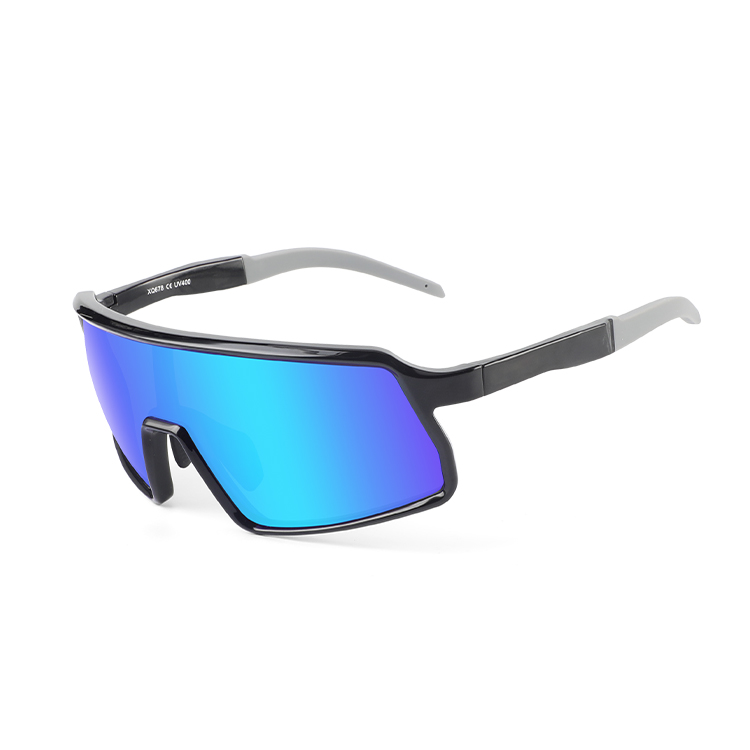
A cyclist faces more than sunshine. There is wind in the eyes, dust from the road, insects, low sun at dawn and sudden shade under trees. Good cycling sunglasses deal with all of this while staying light enough to forget you are wearing them. If you run a bike shop, a retail store or a sports brand, understanding the features helps you pick products that customers will use and recommend. This guide covers what to look for and how to evaluate a cycling sunglasses supplier.
Core features of good cycling sunglasses
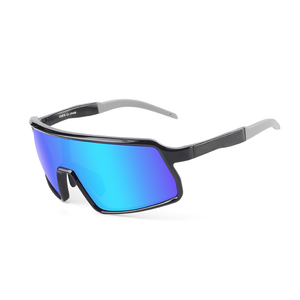
UV protection. Look for UV400 lenses, which are designed to block light up to 400 nanometres. On the XUNQI cycling page, models such as the XQ671, XQ673 and XQ680 are listed as UV400, and the page describes its polarized cycling sunglasses as offering 100 percent UV protection.
Polarized lenses. Polarization reduces glare reflected from wet roads, water and shiny surfaces. The category mentions polarized lenses in PC or TAC material, and the XQ674 is described with high-definition polarized lenses.
Impact resistance. Small stones and grit can fly up from the road. Polycarbonate lenses are described on the page as impact-resistant, which is a sensible choice for riding.
Lightweight frames. The page names TR90 and nylon as lightweight frame materials. Less weight means less pressure on the nose and ears over a long ride.
Lens options for changing light
Riders do not always cycle at midday. The category lists several choices that matter for different conditions:
- Photochromic lenses, which adjust to the amount of light.
- Interchangeable lenses, so one frame can carry different tints.
- Mirrored finishes and low-light enhancing tints.
- Anti-fog treatment and ventilation channels, mentioned generally on the page.
Note that the page describes these as available options, not as features of every model, so confirm what applies to the exact model you want.
Frame styles to know
The range shows how varied cycling eyewear can be:
- Full-frame styles, such as the XQ678 with adjustable temple arms, which offer sturdy lens support.
- Half-frame styles, such as the XQ694, which keep the field of view open at the bottom.
- Rimless styles, such as the XQ685 and XQ686, which are lightweight and give a clear, open view.
- Safety-style glasses, such as the XQ677, listed with detachable side shields and polarized lenses.
- Fit-over styles, such as the XQ680, designed to be worn over prescription glasses, which is a thoughtful option for riders who already wear spectacles.
Why the supplier matters
Every product page looks good. What separates a good partner from a poor one is consistency, communication and honesty. On its cycling page, XUNQI states that it offers OEM and ODM services, custom logos (the page names silk screen or heat transfer as methods), custom lens colour or tint, frame shape and logo placement, and independently developed frame moulds. It also mentions sampling, packaging and quick turnarounds, though no timeframe is given for the last.
The page also refers to CE, RoHS and ISO9001 standards. These are meaningful names in manufacturing and product compliance, but the page does not provide certificate numbers. Before relying on them, ask the company to send the actual documents and check that they cover the product you are buying.
Questions to ask before you order
The cycling category page does not state prices, minimum order quantity, colour options, sizes or weights, warranty terms, lead times or a founding year. Put these questions in writing:
- What is the minimum order for a stock model, and for a custom design?
- What are the unit prices at different volumes?
- Which colours, lens tints and sizes are available?
- How long does production take after the sample is approved?
- What happens if a batch has defects?
- Can you provide the CE, RoHS and ISO9001 documents?
Test samples like a cyclist
A sunglasses sample should be tested the way customers will use it. Wear it on a bike, if possible, and check:
- Does it stay in place over bumps and when you look down at the handlebars?
- Does it fit under a helmet, with the arms not pressing painfully?
- Does the lens fog when you stop at a junction?
- Is the view clear when you look over your shoulder?
- Do the lenses stay clear in glare, shade and low sun?
If you are buying for different riders, include people with narrow and wide faces, as fit is personal.
Care and customer advice
Passing practical advice to buyers builds trust. Rinse dust off before wiping, use a microfibre cloth, keep the glasses in a case and avoid leaving them in a hot car. For riders who sweat heavily, regular cleaning of the nose pads keeps them from becoming slippery.
Conclusion
The best cycling sunglasses balance protection, weight and fit, and the best suppliers back that up with clear information and honest answers. Compare a few options, ask for documents, test the samples properly and start with a measured first order. That route protects your business, and it gives riders eyewear they will actually reach for on every ride.