Portable Power Station Safety Tips for Indoor Emergency Use
A portable power station provides convenient backup electricity during indoor emergencies, helping keep essential devices running when the grid fails. Unlike fuel-powered generators, battery-based models operate without combustion exhaust, making them suitable for indoor use when manufacturer safety requirements are followed. However, improper placement, overloaded outlets, damaged batteries, and unsafe charging practices can create serious hazards. Understanding essential safety precautions helps you protect your household, maintain reliable backup power, and use emergency equipment with greater confidence
How to Set Up a Portable Power Station Safely Indoors
Choose a Dry, Stable Location With Proper Ventilation
Place your portable power station on a firm, level surface in a dry, well-ventilated area. Choose a location where the unit cannot fall, become obstructed, or interfere with household movement. Keep ventilation openings clear and maintain the clearance recommended by the manufacturer. Avoid operating the station inside tightly enclosed cabinets or covering it with blankets. Position the equipment where you can easily access its controls, monitor battery status, and disconnect connected devices during emergencies.
Keep the Power Station Away From Heat, Water, and Flammable Materials
Keep your power station away from radiators, space heaters, direct sunlight, and other sources of excessive heat. Avoid placing it near sinks, leaking pipes, damp floors, or areas where liquids could spill onto electrical connections. Maintain separation from curtains, paper, cleaning chemicals, and other combustible materials. Never operate the equipment with wet hands or damaged cables. Following the manufacturer’s temperature and environmental guidelines helps reduce overheating risks, electrical hazards, and unnecessary battery stress.
Check Battery Safety Features and Manufacturer Guidelines Before Use
Before using a portable power station indoors, review its safety specifications and operating instructions. Look for a battery management system that monitors temperature, voltage, and current while providing protection against unsafe operating conditions. Check whether the unit includes overload protection, thermal safeguards, and automatic shutdown functions. Confirm its permitted charging temperature and ventilation requirements. Safety features provide additional protection but do not replace careful handling, proper placement, and regular equipment inspections.
Safe Charging and Power Connection Practices During Emergencies
Use Compatible Chargers, Cables, and Power Outlets
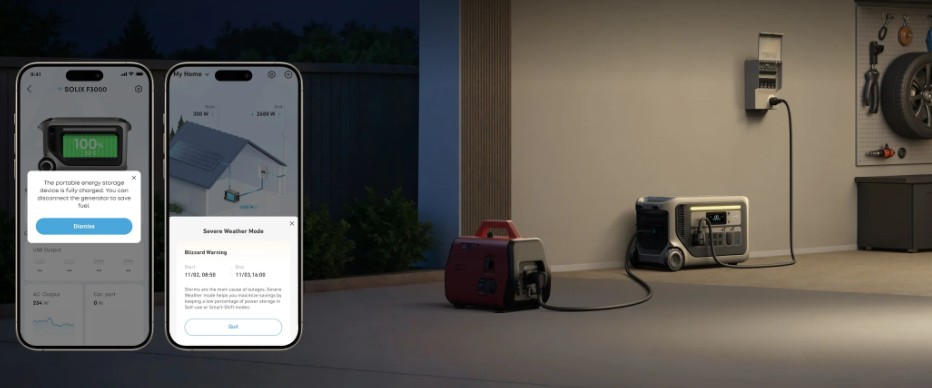
Always recharge your power station using manufacturer-approved cables, compatible adapters, and suitable electrical outlets. Check charging input specifications before connecting wall chargers, solar panels, or vehicle charging accessories. Never use damaged cords, loose connectors, or adapters with incompatible voltage ratings. Keep charging connections dry and maintain adequate ventilation throughout the process. Avoid overloading household circuits with multiple high-power chargers. Following the recommended charging procedure helps prevent overheating, electrical faults, and unnecessary damage to internal components.
Avoid Overloading the Power Station With High-Wattage Appliances
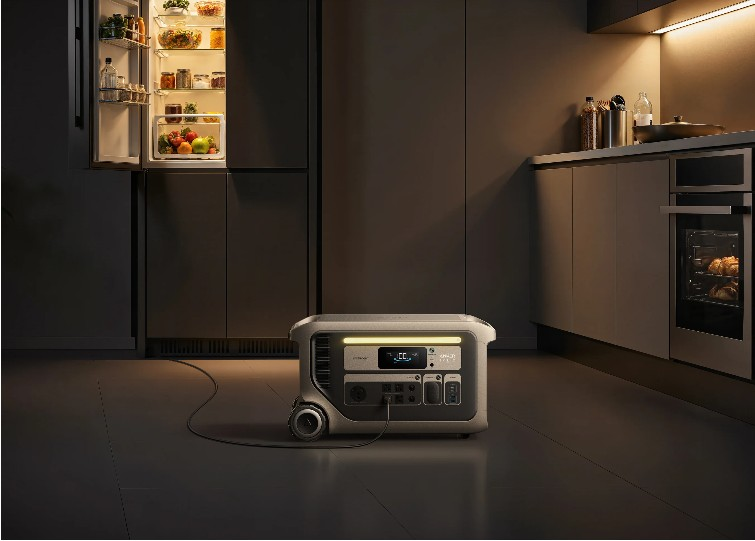
Check the running wattage and startup power requirements of appliances before connecting them to your station. Refrigerators, pumps, and other motor-driven equipment may briefly demand more electricity when starting. The Anker SOLIX F3000 Portable Power Station offers low idle consumption and can power a compatible refrigerator for nearly two days under specified conditions. However, actual runtime depends on appliance demand. Keep total loads within the rated output and avoid exceeding surge limits to prevent overload shutdowns.
Never Backfeed Household Wiring Through a Wall Outlet
Never connect a power station’s AC output directly to a household wall outlet to supply electricity to your home’s wiring. This dangerous practice, known as backfeeding, can energize electrical circuits unexpectedly and expose utility workers and occupants to potentially fatal shocks. Connect appliances directly to the station’s designated outlets instead. If you need to power household circuits, use manufacturer-approved equipment and a properly installed transfer switch. Have a qualified electrician complete any required wiring modifications.
How to Prevent Battery Hazards and Maintain Emergency Readiness
Watch for Overheating, Swelling, and Unusual Battery Behavior
Inspect your power station for warning signs during charging, operation, and storage. Excessive heat, battery swelling, unusual odors, smoke, leaking substances, or unexpected shutdowns may indicate an unsafe condition. If you notice these symptoms, stop using the equipment and disconnect external power only when safe. Do not attempt to open, puncture, or repair damaged battery cells. If smoke or fire develops, evacuate the area and contact emergency services. Seek manufacturer guidance before using the affected unit again.
Store Your Power Station at the Recommended Charge Level
Proper storage helps preserve battery health and ensures your equipment remains ready for emergencies. Check the manufacturer’s recommended storage charge level, as requirements differ between models. Avoid leaving the battery completely discharged for extended periods. Store the unit in a cool, dry location away from moisture, excessive heat, and direct sunlight. Switch off unused outputs and disconnect accessories before storage. Inspect battery levels at recommended intervals and recharge when necessary to prevent excessive self-discharge and maintain emergency readiness.
Inspect and Test Your Emergency Power Station Regularly
Test your emergency power station periodically to confirm that its battery, charging connections, and output ports operate correctly. Inspect cables for fraying, loose connectors, or damaged insulation. Connect a compatible low-power device to verify normal operation without exceeding the unit’s rated output. Check battery percentage, charging behavior, and any warning indicators. Keep the owner’s manual and essential accessories accessible. Establishing a regular inspection routine helps identify problems early and reduces the risk of unexpected equipment failure during outages.
Conclusion
Using a portable power station safely indoors requires proper placement, compatible charging equipment, and careful power management. Keep the unit well-ventilated, away from heat and moisture, and within its rated electrical limits. Never connect it directly to household wiring without appropriate transfer equipment installed by a qualified electrician. Monitor battery condition, follow recommended storage practices, and test the system regularly. These precautions help reduce electrical and battery hazards while keeping essential appliances and communication devices powered during unexpected emergencies. A properly maintained backup system provides greater reliability when household electricity becomes unavailable.