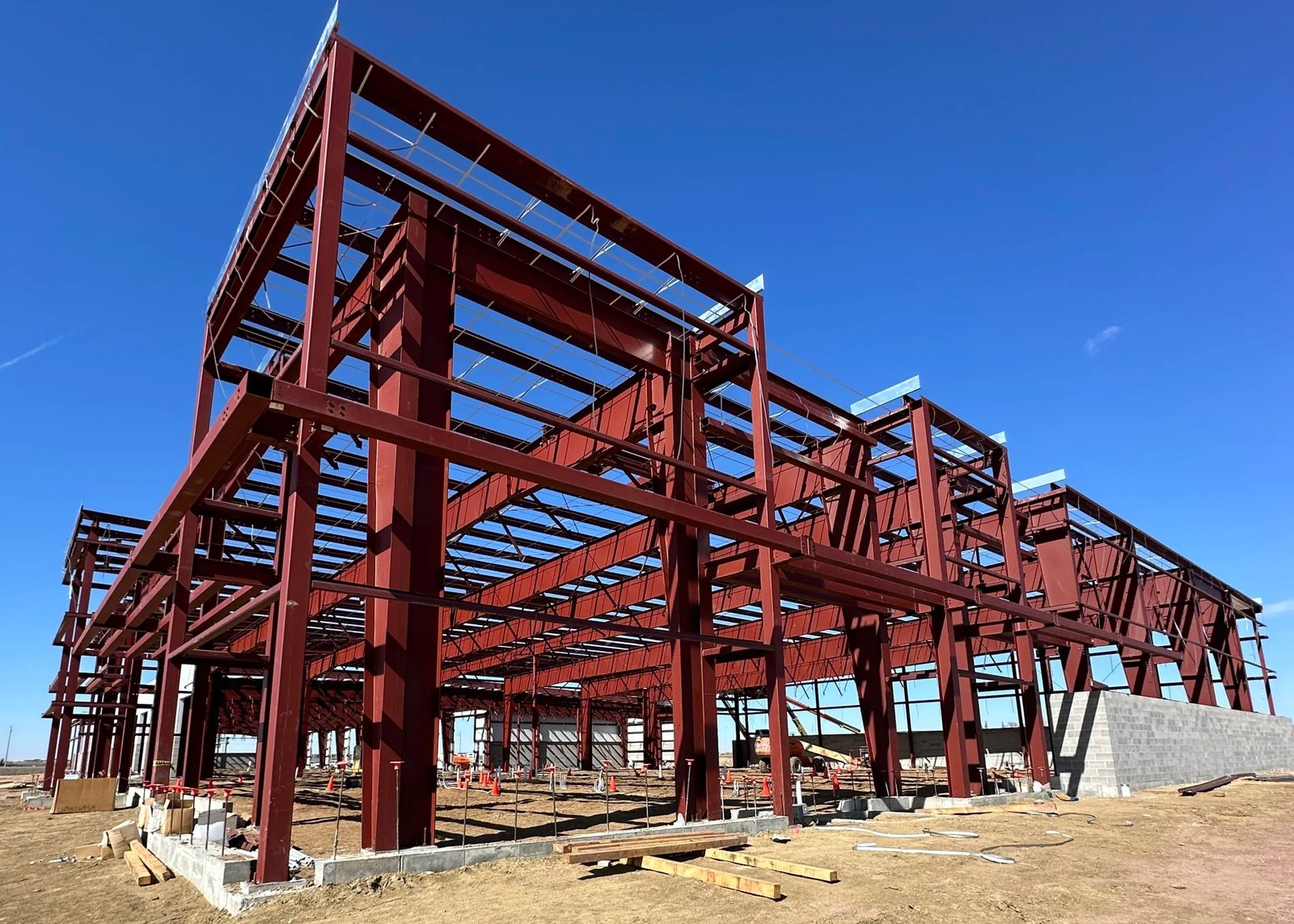
What to Consider When Planning a New Building
Planning a new building is one of the most significant undertakings a business or individual can take on. Whether it is a commercial facility, a retail space or a community building, the decisions made during the planning phase have long-lasting consequences for functionality, cost, safety and the overall success of the finished structure.
A successful building project rarely happens without careful preparation. The challenges that derail construction projects most often arise not from unexpected events but from insufficient planning at the start. Getting the foundations right — in both the literal and figurative sense — sets the entire project on a path toward a smooth and well-executed outcome.
Defining the purpose and scope clearly
Before any design work begins, it is essential to define clearly what the building needs to accomplish. Questions about how many people it will accommodate, what activities will take place inside it, how it might need to adapt over time and what the budget constraints are should all be answered at the outset. Vague briefs lead to designs that miss the mark and changes that are costly to implement later.
Working with experienced professionals from the beginning makes a significant difference. Those who engage specialist design and build services early in the process benefit from integrated expertise that connects architectural vision with practical construction knowledge. This approach reduces the risk of costly miscommunication between designers and builders and helps projects stay on programme and within budget.
A clear brief also provides a benchmark against which design proposals can be evaluated. When everyone involved in a project — client, designer, engineer and builder — has a shared understanding of what the building is intended to do, decision-making throughout the process becomes faster, more consistent and less prone to the scope creep that affects many construction projects.
Navigating planning approvals and regulation
All new buildings in Australia must comply with a range of federal, state and local regulations, including the National Construction Code, local council planning controls and zoning requirements. Understanding which approvals are required and what conditions apply to the site is essential before committing significant resources to design development.
Development applications, building approvals and potentially environmental impact assessments may all be required depending on the nature and location of the project. Engaging a town planner or building consultant early in the process can clarify the approval pathway and help identify any potential obstacles that could delay or complicate construction if not addressed in advance.
Approval timeframes vary considerably between councils and project types. Building a realistic timeline that accounts for approval periods — including the possibility of requests for additional information or conditions that require design modifications — is important for managing expectations and avoiding the frustration of a project that is held up at the regulatory stage.
Site assessment and environmental considerations
A thorough site assessment is one of the most important pre-design steps for any building project. Soil testing, topographical surveys and assessments of existing infrastructure all inform design decisions and help identify potential issues before they become expensive problems during construction. Sites with poor soil conditions, flood risk or heritage overlays require specific attention from the outset.
Planning a successful building project shares something with building an effective online presence: both require strategic thinking and a commitment to foundations before surface results. Just as a natural link building approach focuses on earning authority over time rather than cutting corners, a well-planned building project invests in research and preparation before committing to a design that may later prove difficult to amend.
Sustainable design is increasingly important in Australian construction. Passive solar design, energy-efficient systems, rainwater harvesting and materials with lower embodied carbon are all elements that contribute to a building’s long-term environmental performance. Incorporating these features from the outset is far more cost-effective than retrofitting them after construction is complete.
Budgeting and financial planning
Accurate cost estimation is one of the most challenging aspects of building projects, and one of the most important. Construction costs are affected by material prices, labour availability, site conditions, design complexity and the current market environment. Working with an experienced quantity surveyor during the design phase provides reliable cost benchmarks and helps identify where savings can be made without compromising quality.
Contingency budgets are essential in any building project. Industry standard recommendations typically suggest allowing ten to fifteen per cent of the project cost as a contingency reserve. Unexpected conditions encountered during construction, design changes and pricing variations all draw on this reserve, and projects that begin without adequate contingency frequently run into significant financial difficulty.
Procurement strategy also affects cost and risk. Design-and-construct contracts, where a single entity is responsible for both design and construction, can provide cost certainty and streamline communication. Traditional models where design and construction are procured separately offer more design control but require careful coordination to avoid gaps and disputes between the two parties.
Managing the construction phase
Once construction begins, consistent communication between the project owner, builder and consultants is the key to a successful outcome. Regular site meetings, clear approval processes for variations and a well-maintained project programme all contribute to keeping work on track. Problems that are addressed promptly are far easier and cheaper to resolve than those that are allowed to compound.
Quality assurance during construction requires active involvement, not just passive observation. Inspections at critical stages — foundations, framing, waterproofing and services installation — ensure that work meets the required standards before being covered up by subsequent construction. Relying on a builder’s self-assessment alone is not sufficient for a project of significant value or complexity.
Building well requires planning well. The time invested in thorough preparation, professional consultation and careful decision-making before construction begins pays dividends throughout the project and long after the building is complete. Those who approach the process with patience and rigour are far more likely to end up with a building that truly serves its intended purpose.